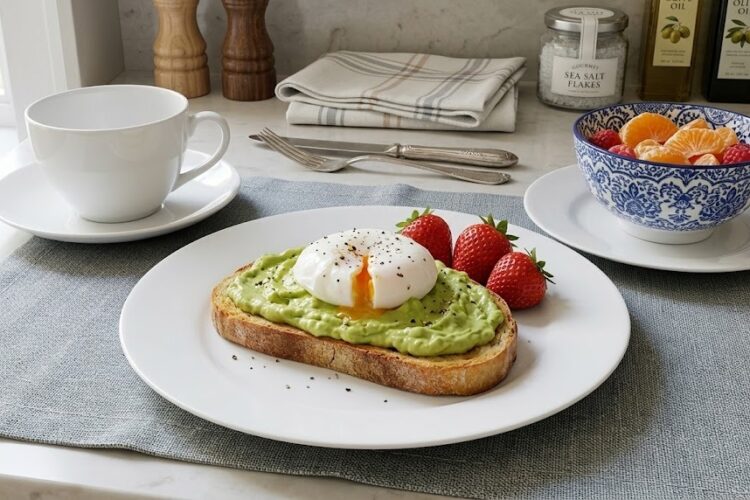
Poached eggs are often associated with careful stovetop cooking, swirling water, and trying to keep the egg white together around a soft, runny yolk. An air fryer offers a much simpler approach. These Air Fryer Poached Eggs are prepared in small ramekins with water and cooked until the whites are set while the yolks remain soft and delicious. It is a practical breakfast method when you want something satisfying without standing over a saucepan.
The beauty of making poached eggs in an air fryer is the convenience. Instead of bringing a pot of water to a simmer and carefully lowering each egg into it, you place the eggs in ramekins, add water, and let the air fryer do the cooking. The process is quick enough for a weekday breakfast and simple enough to become part of your regular morning routine. Once you know how your particular air fryer behaves, you can easily adjust the cooking time to suit your preferred yolk.
Why Make Poached Eggs in an Air Fryer?
An air fryer is useful for much more than crispy potatoes, chicken, and snacks. It can also handle delicate breakfast recipes, including poached eggs. Using small ramekins creates a controlled cooking environment where the eggs are surrounded by heated water. This method gives you the soft texture associated with traditional poached eggs without requiring a large pot or complicated technique.
Another advantage is the small amount of preparation involved. There is no need to boil water separately, create a whirlpool, or worry about an egg breaking apart as soon as it touches the pan. Each egg is contained in its own ramekin, which makes the process especially convenient when preparing breakfast for two. The finished eggs can be served immediately over toast, English muffins, vegetables, or another favorite breakfast food.
How Air Fryer Poached Eggs Work
The method is surprisingly straightforward. Each large egg is cracked into a small four-ounce ramekin that has been lightly coated with cooking spray. Water is then added to the ramekin. When the dish goes into the preheated air fryer, the water heats rapidly and helps cook the egg in a way that resembles traditional water poaching.
The water is an important part of the method because it provides moisture around the egg as it cooks. At the same time, the circulating hot air from the air fryer heats the ramekin and its contents. The result is a cooked egg white surrounding a yolk that can remain beautifully soft. Because every air fryer is slightly different, the exact timing may vary from one appliance to another.
What You Need to Make Them
This recipe uses only a few basic ingredients, which makes it particularly useful when you need a quick breakfast. You will need two large eggs, six tablespoons of water, cooking spray, and a little salt and pepper for serving. There are no complicated seasonings or special ingredients required, so the natural flavor and creamy texture of the eggs remain the focus.
Small four-ounce ramekins are also important for the technique. Each ramekin holds one egg and three tablespoons of water. Using individual dishes makes the eggs easier to handle and helps keep them separated while cooking. Before beginning, make sure the ramekins fit comfortably inside your air fryer basket without touching the heating element.
Choosing the Right Ramekins
Four-ounce ramekins work well because they provide enough room for an egg and the required water without creating an excessively deep cooking environment. Ceramic or oven-safe ramekins are generally suitable, provided they are rated for the temperatures used in your air fryer. Always check that your particular dishes are appropriate for high-temperature cooking.
The size of the ramekin also affects the final result. If a dish is significantly larger or deeper, the egg and water may heat differently, which can change the cooking time. For the most consistent results, use ramekins close to the size specified in the recipe. When preparing the recipe for the first time, keep a close eye on the eggs near the end of cooking.
Preparing the Air Fryer
Start by preheating the air fryer to 375 degrees F for approximately three minutes. Preheating gives the ramekins an immediate hot environment, which helps the water begin heating as soon as the cooking process starts. Although some air fryers do not require preheating for every recipe, it is useful here because the cooking time is relatively short.
Once the air fryer is preheated, prepare the ramekins. Spray two four-ounce ramekins generously with cooking spray. The spray helps prevent the eggs from sticking to the dishes, making them much easier to remove after cooking. Since the spray is applied directly to the ramekins rather than the air fryer basket, it stays contained within the cooking dishes.
Preparing the Eggs
Crack one large egg into each prepared ramekin. Try to crack the eggs gently so the yolks remain intact. Keeping the yolk whole is especially important when making poached eggs because the soft center is one of the main reasons people enjoy this style of breakfast.
Next, add three tablespoons of water to each ramekin. Pour the water carefully around the egg rather than directly onto the yolk. The goal is to surround the egg with water while keeping the yolk intact. Once both ramekins are prepared, they are ready to go into the air fryer basket.
Cooking Air Fryer Poached Eggs
Place the filled ramekins carefully inside the air fryer basket. Close the appliance and cook the eggs at 375 degrees F for approximately six to seven minutes. The eggs should develop cooked whites while retaining a soft, runny yolk. Since air fryer models differ in size, power, and airflow, your first batch may require a little experimentation.
If you prefer a very soft yolk, begin checking the eggs toward the lower end of the cooking range. For a yolk that is slightly more set, allow the eggs to cook closer to the seven-minute mark. Avoid assuming that every air fryer will produce exactly the same result at the same time. Once you find the timing that works for your appliance, you can repeat the method consistently.
How to Remove the Poached Eggs
When the eggs are cooked, carefully remove the ramekins from the air fryer. They will be hot, so use appropriate protection when handling them. A slotted spoon is ideal for lifting the eggs from the remaining water. Gently slide the spoon beneath each egg and allow excess water to drain through the slots.
You may notice that a small amount of water remains in each ramekin after the egg has been removed. This is completely normal and is part of the cooking process. The important thing is to drain the egg well before placing it on your plate. Handling the eggs gently will help keep the cooked white intact and protect the delicate yolk.
Serving Suggestions
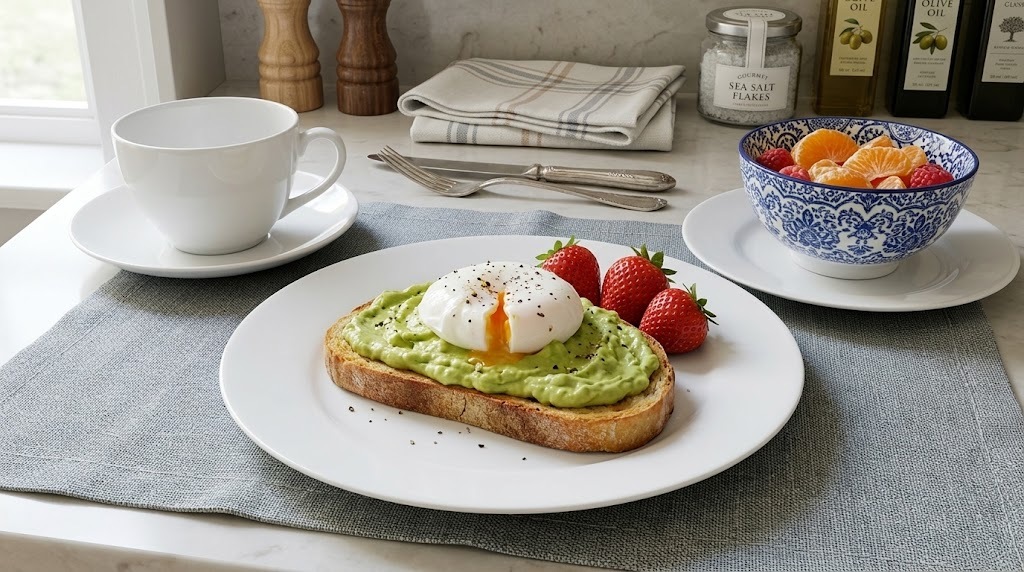
Air Fryer Poached Eggs are especially good when served immediately. One of the simplest options is to place a poached egg on buttery toasted bread. The crisp toast provides a pleasant contrast to the soft egg white and creamy yolk. When the yolk breaks over the toast, it creates a naturally rich topping without requiring a complicated sauce.
You can also serve these poached eggs as part of a larger breakfast. Add them alongside toast, fresh vegetables, breakfast potatoes, or other favorite morning foods. Because the recipe is so simple, the eggs can work with both light and hearty breakfasts. A little salt and pepper is all that is needed to bring out their flavor.
Why the Cooking Time May Vary
Air fryers are not identical. Different models can have different heating elements, basket designs, fan strengths, and temperature accuracy. Even two appliances set to the same temperature can cook the same food at slightly different speeds. This is particularly noticeable with delicate foods such as eggs, where one extra minute can noticeably change the yolk.
Your altitude, ramekin material, starting egg temperature, and even the amount of water can also affect the final result. For that reason, treat six to seven minutes as the recipe’s starting point rather than an absolute rule for every appliance. After making the recipe once, you will have a better idea of whether your air fryer needs slightly less or slightly more cooking time.
Getting a Runny Yolk
The key to a perfectly poached egg with a runny center is avoiding overcooking. Start with the recommended six-minute cooking time and inspect the result. If the whites are adequately cooked but the yolk is softer than you prefer, increase the cooking time slightly during your next batch.
If your first eggs are too firm, reduce the cooking time in small increments. Even a difference of 30 to 60 seconds can make a noticeable change. It is better to make small adjustments than to dramatically change the cooking time. Once you find the ideal setting for your appliance and preference, write it down so you can reproduce the result easily.
Notes for Better Results
Use eggs that are in good condition and handle them gently when cracking them into the ramekins. Keeping the yolks intact will give the finished dish a more traditional poached-egg appearance. Make sure the ramekins are generously coated with cooking spray so the eggs release more easily after cooking.
The cooking spray should be used on the ramekins rather than sprayed directly onto the non-stick surface of the air fryer basket. The recipe specifically uses it to reduce sticking inside the dishes. Always follow your air fryer’s care instructions regarding cooking sprays and the type of cookware that can safely be placed inside the basket.
Notes on Serving
For the best texture, serve the eggs immediately after removing them from the ramekins. Poached eggs are at their most appealing when the whites are warm and the yolks are still soft. Waiting too long can allow the eggs to continue firming from residual heat, particularly when they remain in the hot ramekins.
Season the eggs after cooking with salt and pepper. This simple finishing touch is enough to complement the eggs without overpowering their delicate flavor. If serving them on toast, place the egg directly on top and cut into the yolk just before eating so the creamy center can spread over the toast.
Frequently Asked Questions
Can I make more than two poached eggs?
This recipe is designed around two large eggs and two small ramekins. You can increase the number of eggs if your air fryer basket has enough room for additional ramekins, but avoid overcrowding the basket. Good airflow is important for air fryer cooking, and crowded dishes may heat less evenly.
Why are my egg whites not fully cooked?
The most likely reasons are differences between air fryer models, ramekin size, or cooking conditions. Try extending the cooking time slightly while monitoring the yolk. It is better to make small adjustments than to add a large amount of extra cooking time, especially if you want to maintain a runny yolk.
Can I use a different size ramekin?
A different ramekin may work, but it can change the cooking time because the depth and surface area affect how quickly the water and egg heat. For the most predictable results, four-ounce ramekins are recommended for this recipe.
Should I season the eggs before cooking?
It is best to season the cooked eggs with salt and pepper after removing them from the ramekins. This keeps the preparation simple and allows you to control the amount of seasoning on each serving.
Air Fryer Poached Eggs
Make tender, perfectly poached eggs in the air fryer with this easy method. Eggs are cooked individually in small ramekins with water, producing cooked whites and a deliciously soft, runny yolk.
2
servings3
minutes7
minutes58
kcal10
minutesIngredients
2 large eggs
6 tablespoons water
Cooking spray
Salt and pepper
Directions
- Preheat the air fryer to 375 degrees F for about 3 minutes.
- Generously coat two four-ounce ramekins with cooking spray.
- Crack one large egg into each prepared ramekin, keeping the yolks intact.
- Carefully place both water-filled ramekins into the air fryer basket.
- Close the air fryer and cook at 375 degrees F for 6–7 minutes.
- When the eggs are cooked, carefully remove the ramekins from the air fryer.
- Use a slotted spoon to gently lift each poached egg from its ramekin. Allow the excess water to drain away. A small amount of water remaining in the ramekin is normal.
- Season the cooked eggs with salt and pepper according to taste.
- Serve the poached eggs immediately, preferably over toasted bread or with your favorite breakfast sides.
Nutrition Facts
- Total number of serves: 1
- Calories: 58kcal
- Fat: 4g
- Carbohydrates: 5g
- Fiber: 4g
- Protein: 2g
