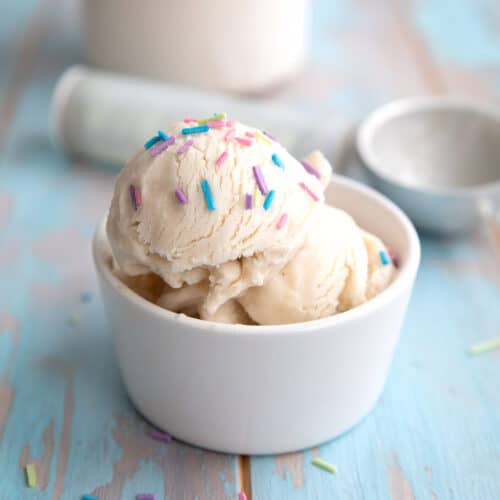
Protein Ice Cream is one of the most innovative modern recipes born from the intersection of fitness nutrition and dessert engineering. Traditionally, ice cream has always been a high-fat, high-sugar indulgence—rich, creamy, and satisfying, but often not aligned with health or fitness goals.
With the rise of high-protein diets, athletes, bodybuilders, and health-conscious individuals began searching for alternatives that could deliver the same creamy, cold, dessert-like experience without the excess calories or sugar.
This led to the creation of Protein Ice Cream—a functional dessert system designed to:
- Deliver high protein content
- Maintain creamy texture
- Control calories and sugar
- Mimic traditional ice cream mouthfeel
Unlike traditional ice cream, which relies heavily on cream, sugar, and egg yolks, protein ice cream uses:
- Protein powder
- Frozen fruits or ice
- Milk or yogurt
- Natural thickeners
The result is a dessert that feels indulgent but functions as a nutritional tool.
Chef’s Philosophy & Culinary Logic
Protein ice cream is not just about blending ingredients—it is about recreating the physics of ice cream using alternative structures.
The philosophy behind this recipe is:
Replace fat and sugar with structure, air, and controlled freezing.
Traditional ice cream gets its texture from:
- Fat → creaminess
- Sugar → softness (prevents freezing solid)
- Churning → air incorporation
Protein ice cream replaces these with:
- Protein → structure and body
- Frozen base → temperature and thickness
- Blending → air incorporation
- Small liquid control → texture balance
The goal is to create something that is:
- Thick like soft-serve
- Smooth, not icy
- Spoonable, not frozen solid
Core Culinary Systems (Deep Breakdown)
1. Protein Structure System
Protein powder is the backbone of this recipe.
It provides:
- Thickness
- Body
- Cream-like density when blended
Different proteins behave differently:
- Whey protein → light, fluffy texture
- Casein protein → thick, creamy texture
- Plant protein → slightly grainy but dense
The key is balancing protein so it enhances texture without becoming chalky.
2. Frozen Base System
Instead of cream and sugar, this recipe uses:
- Frozen fruit OR ice
This creates:
- Cold temperature instantly
- Thickness through frozen mass
- Natural sweetness (if fruit is used)
Frozen bananas are especially popular because they mimic creaminess.
3. Air Incorporation System
Blending introduces air into the mixture.
This creates:
- Lightness
- Volume expansion
- Soft-serve texture
More blending = fluffier ice cream.
4. Sweetness & Flavor Balance System
Since sugar is reduced or removed:
- Natural sweeteners are used
- Flavor must be layered carefully
Options include:
- Honey
- Stevia
- Dates
- Flavored protein powder
Balance is critical to avoid bland or artificial taste.
5. Texture Stabilization System
Protein ice cream can easily become:
- Too icy (too much water)
- Too thick (too much protein)
Stabilization is achieved by:
- Correct liquid ratio
- Gradual blending
- Optional thickeners like xanthan gum
Difficulty, Timing & Yield
Difficulty Level: Easy–Medium
Preparation Time: 5–10 minutes
Blending Time: 2–5 minutes
Freezing Time (optional): 30–60 minutes
Total Time: ~10–60 minutes
Servings: 1–2 portions
Ingredients (Expanded Functional Breakdown)
Protein Base
- 1–2 scoops protein powder (vanilla or chocolate)
Function:
- Main structural component
- Adds thickness and creaminess
- Provides protein content
Frozen Component
- 1–2 cups frozen fruit (banana, berries, mango) OR ice
Function:
- Creates cold temperature
- Builds thickness
- Adds natural sweetness (if fruit used)
Liquid System
- 1/4–1/2 cup milk (dairy or plant-based)
Function:
- Controls blending consistency
- Softens texture
- Prevents mixture from becoming too thick
Creaminess Enhancer
- 1/4 cup Greek yogurt OR cottage cheese
Function:
- Adds creaminess
- Boosts protein
- Improves smooth texture
Sweetness System
- 1–2 tablespoons honey, maple syrup, or sweetener
Function:
- Balances flavor
- Reduces bitterness from protein powder
Optional Stabilizers
- 1/4 teaspoon xanthan gum
- 1 tablespoon peanut butter or nut butter
Function:
- Prevents iciness
- Improves creaminess
- Adds richness
Step-by-Step Method (Deep Execution Breakdown)
Step 1: Ingredient Preparation Phase
Ensure fruit is fully frozen.
Measure all ingredients before blending.
This ensures:
- Smooth blending process
- Proper texture control
Step 2: Initial Blend Phase
Add to blender:
- Frozen fruit or ice
- Protein powder
- Milk
Blend slowly at first.
This breaks down frozen chunks.
Step 3: Cream Development Phase
Add:
- Yogurt or cottage cheese
- Sweetener
Blend again until smooth.
During this stage:
- Texture thickens
- Air incorporates
- Creaminess develops
Step 4: Texture Adjustment Phase
Check consistency:
- Too thick → add small amount of milk
- Too thin → add more frozen fruit or ice
Blend until:
- Smooth
- Thick
- Soft-serve consistency
Step 5: Optional Freezing Phase
For firmer texture:
- Freeze for 30–60 minutes
This creates scoopable ice cream instead of soft serve.
Texture & Flavor Profile
A perfect protein ice cream delivers:
- Thick, creamy consistency
- Cold, refreshing temperature
- Light, airy texture
- Balanced sweetness
- Smooth mouthfeel without iciness
It should feel like soft-serve ice cream rather than a frozen block.
Flavor Variations (Advanced Ideas)
Chocolate Protein Ice Cream
- Chocolate protein powder
- Cocoa powder
- Frozen banana
Rich, dessert-like flavor.
Berry Protein Ice Cream
- Mixed frozen berries
- Vanilla protein
Fresh, slightly tangy taste.
Peanut Butter Protein Ice Cream
- Peanut butter
- Chocolate or vanilla protein
Creamy and dense.
Coffee Protein Ice Cream
- Instant coffee
- Vanilla protein
Bitter-sweet, energizing flavor.
Advanced Tips
- Use frozen banana for best creaminess
- Blend in intervals to avoid overheating blender
- Do not add too much liquid at once
- Use casein protein for thicker texture
- Add pinch of salt to enhance flavor
Common Mistakes
Icy Texture
Cause:
Too much liquid
Fix:
Reduce liquid, add frozen ingredients
Chalky Taste
Cause:
Too much protein powder
Fix:
Balance with yogurt or fruit
Too Thick to Blend
Cause:
Not enough liquid
Fix:
Add milk gradually
Bland Flavor
Cause:
Lack of sweetener or salt
Fix:
Adjust sweetness and seasoning
Storage & Reuse
- Best eaten fresh
- Can be frozen for later use
- Re-blend after freezing for best texture
- Store up to 1–2 days in freezer
Serving Suggestions
Serve protein ice cream with:
- Fresh fruit toppings
- Dark chocolate chips
- Granola
- Nut butter drizzle
Final Thoughts
Protein Ice Cream is a perfect example of how modern cooking transforms indulgent desserts into functional nutrition.
It delivers:
- High protein content
- Creamy, satisfying texture
- Controlled calories
- Endless customization options
It proves that dessert and nutrition do not have to compete—they can work together when structure, balance, and technique are properly understood.
