Introduction & Background
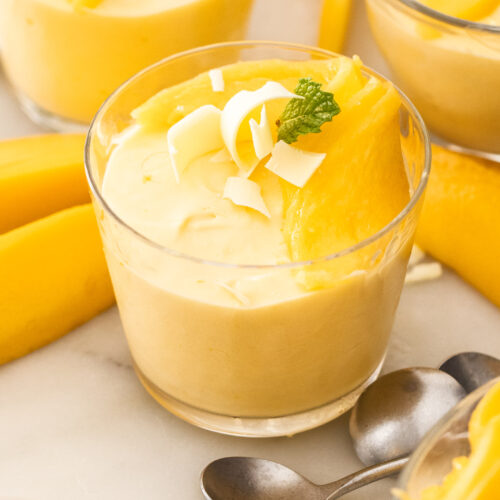
High Protein Mango Mousse is a modern dessert designed at the intersection of tropical flavor, light aerated texture, and functional nutrition. Traditionally, mousse is a French dessert known for its airy, delicate structure created through whipped cream, egg whites, or gelatin. It is rich, smooth, and melts effortlessly in the mouth.
This version reimagines that concept using protein-rich ingredients while preserving the essential characteristics of mousse:
- Lightness
- Creaminess
- Smooth texture
- Flavor clarity
Instead of relying heavily on cream and sugar, this recipe uses Greek yogurt, protein powder, and mango puree to create a dessert that feels indulgent but supports nutritional goals.
Mango, often called the “king of fruits,” plays a central role here. Its natural sweetness, vibrant color, and smooth pulp make it ideal for mousse structure. When blended and combined with protein elements, it forms a naturally thick, creamy base without needing excessive sugar or fat.
The final result is:
- Silky, airy mango dessert
- Naturally sweet and refreshing
- High in protein
- Light yet satisfying
Chef’s Philosophy & Culinary Logic
This recipe is built around a key idea:
Air + Structure = Mousse Texture
Traditional mousse depends on:
- Fat (cream) for richness
- Air (whipping) for lightness
- Sugar for smoothness
In this high-protein version:
- Protein provides structure
- Yogurt provides creaminess
- Mango provides sweetness and body
- Air is introduced through whisking or blending
The challenge is balancing these elements so the mousse does not become:
- Too dense (excess protein)
- Too runny (excess fruit)
- Too flat (lack of aeration)
The goal is a texture that is:
- Light but stable
- Smooth but not watery
- Creamy but not heavy
Core Culinary Systems (Deep Breakdown)
1. Protein Structure System
Protein powder and yogurt act as structural agents.
They:
- Thicken the mixture
- Stabilize air bubbles
- Create body similar to cream
Proper balance ensures the mousse holds shape without becoming heavy.
2. Fruit Base System (Mango Dynamics)
Mango contributes:
- Natural sugars
- Smooth pulp texture
- Moisture
When blended:
- It forms a thick puree
- Adds vibrant flavor
- Acts as natural sweetener
Too much mango can make mousse loose, so balance is key.
3. Aeration System (Air Incorporation)
Mousse requires air for its signature texture.
Air is incorporated through:
- Whisking
- Blending
- Folding techniques
This creates:
- Lightness
- Volume
- Soft mouthfeel
4. Creaminess Balance System
Greek yogurt provides:
- Tangy balance
- Thick, creamy consistency
- Protein boost
It replaces heavy cream while maintaining smooth texture.
5. Stabilization System (Optional)
For firmer mousse:
- Gelatin or agar-agar can be used
This helps:
- Hold structure longer
- Improve slicing or plating
Difficulty, Timing & Yield
Difficulty Level: Easy–Medium
Preparation Time: 10–15 minutes
Chilling Time: 1–2 hours
Total Time: ~2 hours
Servings: 2–4 portions
Ingredients (Expanded Functional Breakdown)
Mango Base
- 1 cup fresh or frozen mango (blended into puree)
Function:
- Primary flavor
- Natural sweetness
- Provides smooth base
Protein System
- 1 scoop vanilla or unflavored protein powder
Function:
- Adds protein
- Thickens mixture
- Supports mousse structure
Cream Base
- 1/2 cup Greek yogurt
Function:
- Adds creaminess
- Provides tang
- Enhances texture
Sweetness System
- 1–2 tablespoons honey or sweetener (optional)
Function:
- Enhances mango sweetness
- Balances yogurt tang
Liquid Adjustment
- 2–4 tablespoons milk
Function:
- Adjusts consistency
- Helps blending
Optional Stabilizer
- 1 teaspoon gelatin (bloomed)
Function:
- Firm mousse texture
- Longer shelf stability
Step-by-Step Method (Deep Execution Breakdown)
Step 1: Mango Preparation Phase
Blend mango into a smooth puree.
Ensure:
- No chunks
- Thick, smooth consistency
This forms the flavor base.
Step 2: Protein Mixing Phase
In a bowl, combine:
- Greek yogurt
- Protein powder
Mix until smooth.
This ensures:
- No clumps
- Even protein distribution
Step 3: Base Integration Phase
Add mango puree into yogurt mixture.
Mix gently until fully combined.
At this stage:
- Flavor develops
- Texture thickens
Step 4: Sweetness Adjustment Phase
Add honey or sweetener.
Taste and adjust.
Balance is important because:
- Mango varies in sweetness
- Yogurt adds tang
Step 5: Aeration Phase
Whisk mixture vigorously or blend briefly.
This introduces air, creating:
- Light texture
- Mousse-like consistency
Do not overblend to avoid losing structure.
Step 6: Optional Stabilization Phase
If using gelatin:
- Dissolve and mix into mousse
This creates:
- Firmer texture
- Better hold
Step 7: Chilling Phase
Refrigerate for:
1–2 hours
This allows:
- Structure to set
- Flavors to develop
- Texture to stabilize
Texture & Flavor Profile
A perfect High Protein Mango Mousse delivers:
- Light, airy texture
- Smooth, creamy consistency
- Bright mango flavor
- Balanced sweetness and tang
- Melt-in-mouth finish
Advanced Variations
Tropical Coconut Version
- Add coconut milk
- Use coconut protein
Creates tropical flavor depth.
Mango Cheesecake Style
- Add cream cheese
Creates richer texture.
Berry Mango Fusion
- Mix mango with berries
Adds tart contrast.
Layered Dessert Version
- Layer with granola or yogurt
Creates multi-texture dish.
Advanced Tips
- Use ripe mango for best flavor
- Chill thoroughly for proper texture
- Avoid too much liquid
- Sift protein powder to prevent clumps
- Add pinch of salt to enhance flavor
Common Mistakes
Runny Mousse
Cause:
Too much mango or liquid
Fix:
Add more yogurt or protein
Grainy Texture
Cause:
Poorly mixed protein powder
Fix:
Mix thoroughly before combining
Too Dense
Cause:
Too much protein
Fix:
Balance with fruit or yogurt
Flat Flavor
Cause:
Lack of sweetness or salt
Fix:
Adjust seasoning
Storage
- Refrigerate up to 2 days
- Keep covered
- Do not freeze (affects texture)
Serving Suggestions
Serve with:
- Fresh mango slices
- Mint leaves
- Granola topping
- Coconut flakes
Final Thoughts
High Protein Mango Mousse is a perfect example of how traditional desserts can be reimagined into functional, nutrient-focused dishes without sacrificing texture or enjoyment.
It delivers:
- High protein nutrition
- Light, creamy dessert texture
- Natural tropical flavor
- Balanced sweetness and freshness
It proves that with the right structure and technique, even classic desserts like mousse can evolve into something both indulgent and purposeful.
