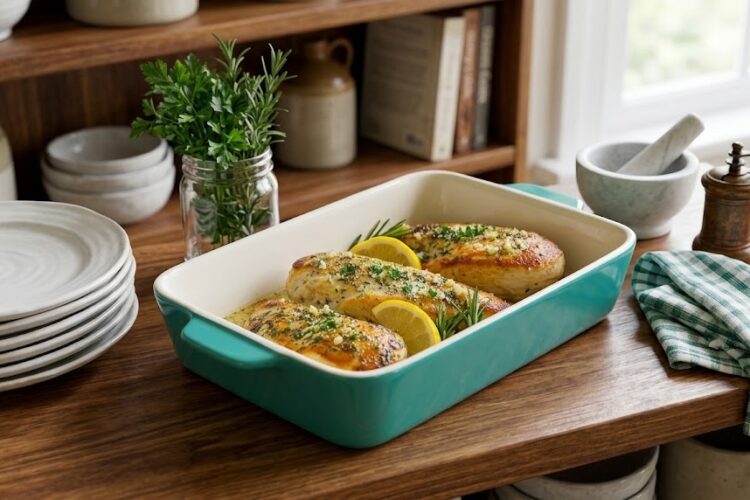
Rosemary chicken is a simple, flavorful dinner made with tender boneless chicken breasts, fresh rosemary, garlic, butter, lemon juice, and chicken broth. The chicken is first browned in olive oil to build a golden exterior, then finished in the oven while it absorbs the rich garlic-herb sauce. The result is juicy baked chicken with a savory, buttery flavor and a fresh hint of lemon and rosemary.
This easy rosemary chicken recipe is especially useful when you want a homemade meal without a long ingredient list or complicated cooking method. The preparation takes only a few minutes, while the oven does most of the work. Because the chicken is seared before baking, it develops a more appealing color and deeper flavor than chicken that goes directly into the baking dish.
This Rosemary Chicken
There are plenty of reasons to keep this baked rosemary chicken recipe in your regular dinner rotation. It uses everyday ingredients, comes together quickly, and works well for both casual family meals and more polished dinners. The combination of garlic, butter, rosemary, lemon, and chicken broth creates a sauce that is flavorful without being heavy or overly complicated.
The recipe is also flexible when it comes to serving. Rosemary chicken pairs naturally with roasted vegetables, mashed potatoes, rice, pasta, green beans, or a crisp salad. The buttery sauce left in the baking dish can be spooned over the chicken and your chosen side dish, helping turn a straightforward chicken dinner into a complete and satisfying meal.
How to Make Baked Rosemary Chicken
Start by heating the oven to 400 degrees F. While the oven comes up to temperature, season both sides of the chicken breasts generously with salt and pepper. Proper seasoning at this stage is important because it gives the chicken a flavorful base before the rosemary butter sauce is added later.
For the best results, choose chicken breasts that are similar in size and thickness. Evenly sized pieces are more likely to finish cooking at approximately the same time. The recipe is based on chicken breasts weighing around 4 to 5 ounces each. If your pieces are considerably larger or smaller, the cooking time may need to be adjusted.
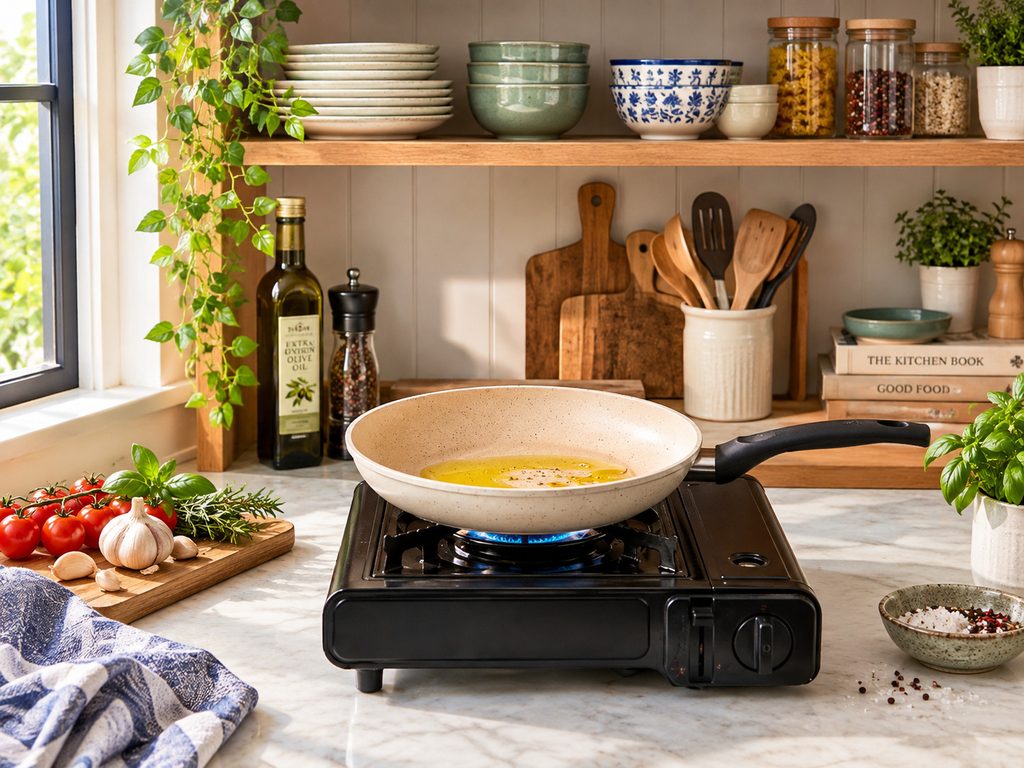
Heat the olive oil in a large pan over medium-high heat. Once the oil is hot, place the seasoned chicken breasts in the pan. Cook them for approximately 3 to 5 minutes on each side, or until they develop a browned exterior. The goal here is to create color and flavor rather than fully cook the chicken in the skillet.
Searing the chicken before baking is an important step if you want a beautifully browned surface. The hot pan encourages browning, which adds a deeper savory quality to the finished dish. Although this step requires a few additional minutes, it is worthwhile when you have the time. If you are in a hurry, however, the chicken can be placed directly into the baking dish without searing.
Once the chicken has been browned, transfer it to a baking dish that has been coated with cooking spray. Arrange the chicken in a single layer so the pieces cook evenly. Keeping the chicken in a suitable baking dish also makes it easy to collect the flavorful sauce that develops during cooking.
Making the Garlic Rosemary Butter Sauce
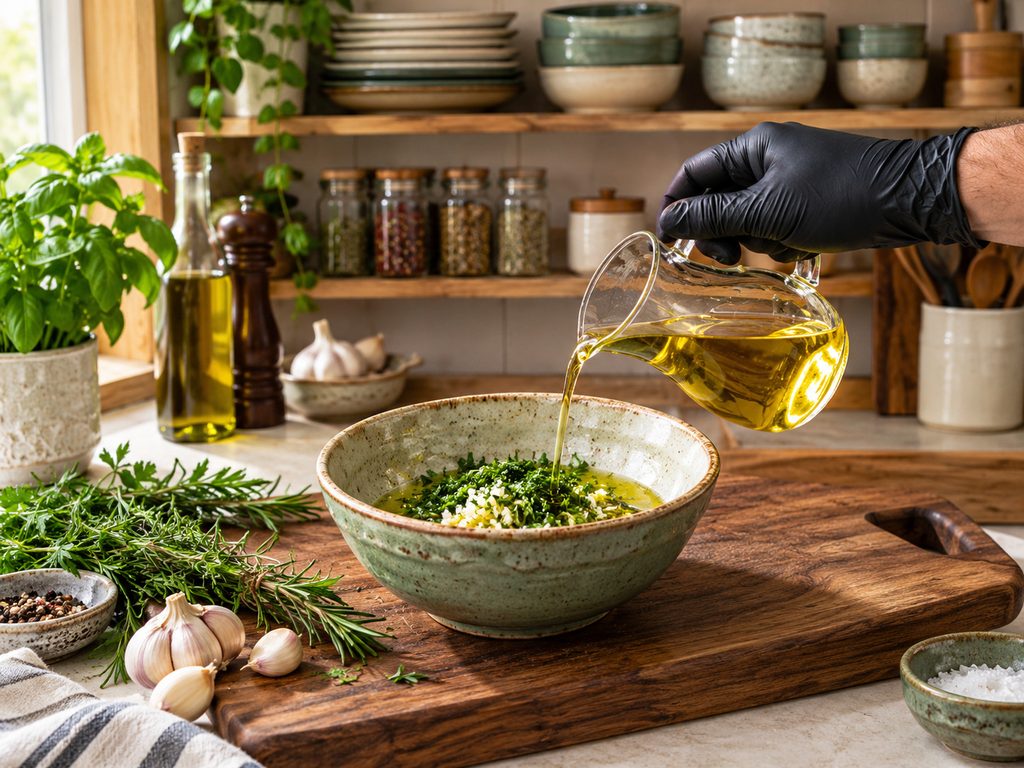
The sauce is where much of the character of this recipe comes together. In a small bowl, combine the minced fresh rosemary, melted butter, minced garlic, chicken broth, and lemon juice. Stir everything together until the ingredients are evenly distributed. The butter provides richness, while garlic and rosemary give the sauce its savory herbal flavor.
Fresh rosemary is particularly good in this recipe because its strong herbal aroma works beautifully with chicken. Fresh leaves also provide a brighter flavor than dried rosemary. If fresh rosemary is unavailable, dried rosemary can be used as a substitute. Use 1 teaspoon of dried rosemary for every tablespoon of fresh rosemary called for in a recipe.
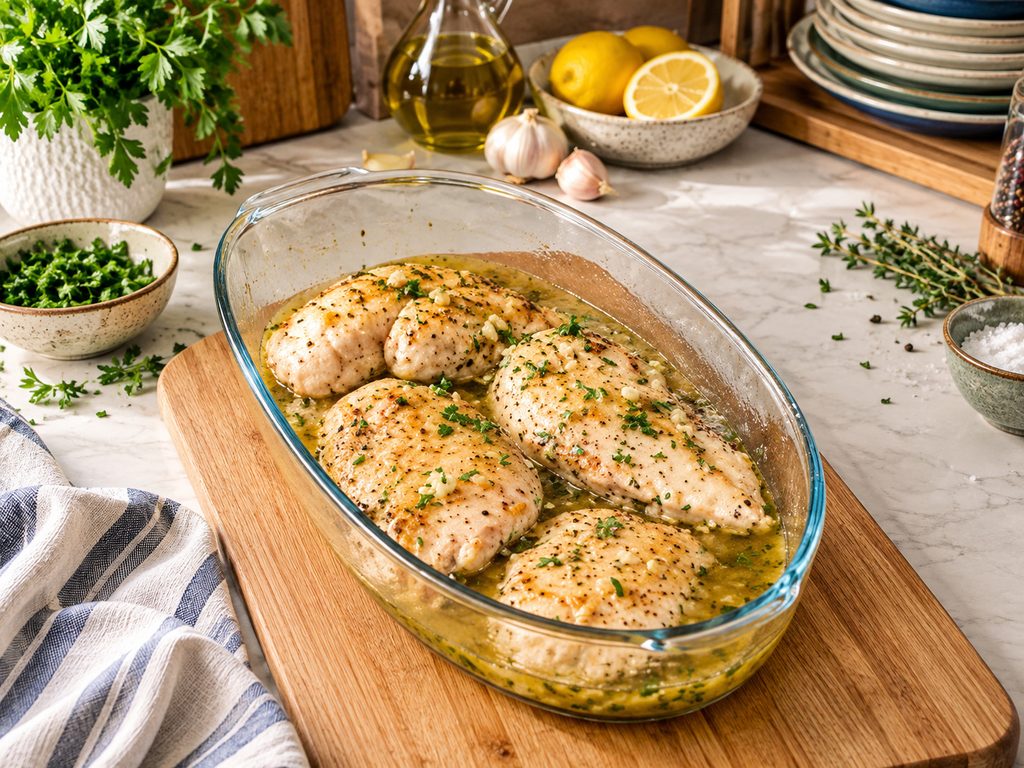
Pour the prepared rosemary butter mixture over the browned chicken breasts. Try to distribute the mixture evenly so each piece gets some garlic, rosemary, butter, broth, and lemon. As the chicken bakes, the sauce surrounds the meat and helps keep the dish flavorful and moist.

Baking the Chicken
Place the baking dish in the preheated oven and bake the chicken for about 25 minutes. The exact cooking time can vary depending on the thickness and size of the chicken breasts. Rather than relying only on the clock, check the chicken near the end of the suggested cooking period to make sure it has reached a safe internal temperature.
Chicken breast is fully cooked when the thickest part reaches at least 165 degrees F on a meat thermometer. Insert the thermometer into the thickest section of the breast for the most reliable reading. This method is preferable to cutting the chicken open repeatedly because it allows you to check doneness without releasing as much moisture from the meat.
After the chicken has finished baking, spoon the flavorful sauce from the bottom of the baking dish over the chicken. Finish with chopped fresh parsley for a fresh contrast to the buttery sauce. Lemon slices and rosemary sprigs can also be added when serving if you want an attractive presentation.
Tips for Juicy Rosemary Chicken
One of the most useful tips for this recipe is to avoid choosing chicken breasts that vary greatly in size. A thin chicken breast can finish cooking much earlier than a thick one, which can make it difficult to achieve evenly cooked results. Similar-sized pieces help simplify the cooking process and make the timing more predictable.
Another helpful tip is to use a meat thermometer. Chicken breasts can dry out when they are cooked significantly beyond the temperature needed for doneness. Checking the thickest part of the chicken and removing it once it reaches at least 165 degrees F helps you avoid guessing.
Fresh rosemary is recommended for the best flavor, especially because rosemary is one of the main ingredients in the sauce. Mince the leaves finely so the herb distributes throughout the butter mixture rather than remaining concentrated in a few spots. This creates a more balanced rosemary flavor in every serving.
Do not overlook the sauce left in the baking dish. After cooking, it contains the combined flavors of butter, garlic, rosemary, lemon, broth, and the chicken juices. Spoon it over each serving before bringing the dish to the table. It adds moisture and makes the chicken taste even more flavorful.
Easy Serving Ideas
Rosemary chicken is versatile enough to work with many different side dishes. For a comforting dinner, serve it with mashed potatoes so the potatoes can absorb some of the buttery garlic sauce. Rice is another simple option and works particularly well when you want a lighter preparation that still benefits from the flavorful pan juices.
For a vegetable-focused meal, consider serving the chicken with roasted broccoli, green beans, asparagus, zucchini, or a simple mixed vegetable dish. The fresh vegetables provide a pleasant contrast to the rich butter-based sauce while keeping the overall meal balanced.
A crisp green salad is also a natural companion for baked rosemary chicken. Lettuce, cucumber, tomatoes, and a light dressing can add freshness to the plate. You can also serve the chicken alongside roasted potatoes for a hearty family-style dinner.
Notes for the Best Results
The recipe uses chicken breasts weighing approximately 4 to 5 ounces each, so cooking time should be adjusted if your chicken is substantially larger or smaller. Thickness matters just as much as weight because a very thick chicken breast can take longer to reach the required internal temperature.
If you are short on time, the chicken can be placed directly into the prepared baking dish without browning it first. The final dish will still be flavorful because the rosemary, garlic, butter, broth, and lemon sauce provide plenty of flavor. However, searing creates a more attractive golden exterior and adds another layer of savory flavor.
For the rosemary substitution, the recommended ratio is 1 teaspoon of dried rosemary for every tablespoon of fresh rosemary. Fresh rosemary remains the preferred choice for this dish because it provides a more vibrant herbal aroma and flavor.
The chicken should not be judged solely by appearance. While cutting into the meat can help you check whether there is any pinkness, a food thermometer provides a more dependable measurement. The thickest portion of each breast should reach at least 165 degrees F before serving.
Frequently Asked Questions
Can I make rosemary chicken without searing it?
Yes. Searing is recommended because it creates a browned exterior and contributes extra flavor, but it is not essential. If you need to save time, place the seasoned chicken directly into the cooking-spray-coated baking dish and add the rosemary butter sauce before baking. The chicken will still cook in the flavorful garlic and herb mixture.
Can I use dried rosemary?
Yes. Fresh rosemary is recommended, but dried rosemary can be used when necessary. A useful substitution is 1 teaspoon of dried rosemary for every tablespoon of fresh rosemary. Since dried herbs are more concentrated, using the correct amount helps prevent the rosemary flavor from becoming too strong.
How do I know when the chicken is done?
The most reliable method is to use a meat thermometer. Insert it into the thickest part of the chicken breast. The chicken is ready when the internal temperature reaches at least 165 degrees F. Cooking time can vary according to the size and thickness of the chicken, so temperature is a better guide than time alone.
What can I serve with rosemary chicken?
This chicken works well with mashed potatoes, rice, roasted potatoes, pasta, green beans, asparagus, broccoli, or a fresh green salad. Since the baking dish produces a flavorful butter and herb sauce, sides that can absorb or complement the sauce are especially good choices.

Rosemary Chicken
Tender boneless skinless chicken breasts are seasoned, seared until golden, and baked in a flavorful garlic, fresh rosemary, butter, chicken broth, and lemon sauce.
4
servings5
minutes35
minutes271
kcal40
minutesIngredients
1 1/4 pounds boneless skinless chicken breasts
1 tablespoon olive oil
Salt and pepper to taste
2 teaspoons fresh rosemary leaves, minced
3 tablespoons butter, melted
1 1/4 teaspoons minced garlic
1/4 cup chicken broth
2 tablespoons lemon juice
1 tablespoon chopped fresh parsley
Lemon slices and rosemary sprigs for serving, optional
Cooking spray
Directions
- Preheat the oven to 400 degrees F. Season both sides of the chicken breasts generously with salt and pepper.
- Heat the olive oil in a large pan over medium-high heat. Add the seasoned chicken breasts and cook for 3 to 5 minutes per side, or until browned.
- Coat a baking dish with cooking spray. Transfer the browned chicken breasts into the prepared dish.
- In a small bowl, combine the minced rosemary, melted butter, minced garlic, chicken broth, and lemon juice. Stir until well mixed.
- Pour the butter and rosemary mixture over the chicken. Place the dish in the oven and bake for approximately 25 minutes, or until the chicken reaches an internal temperature of at least 165 degrees F.
- Spoon the sauce from the bottom of the baking dish over the cooked chicken. Sprinkle with chopped fresh parsley. If desired, garnish with lemon slices and fresh rosemary sprigs before serving.
Nutrition Facts
- Total number of serves: 1
- Calories: 271kcal
- Fat: 15g
- Protein: 30g
