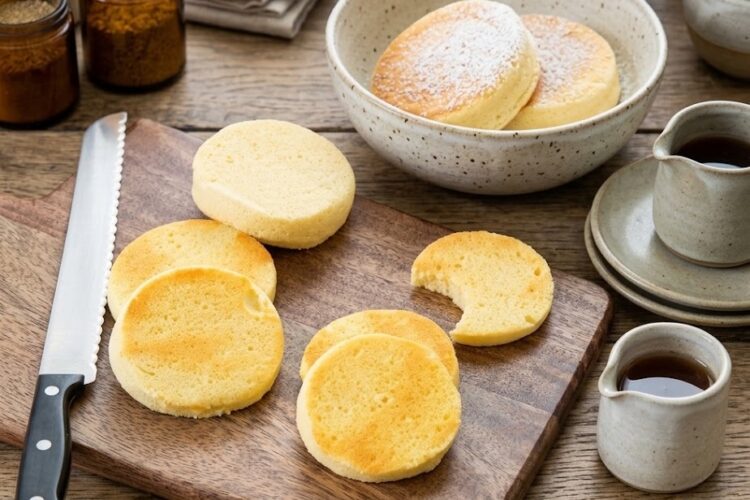
When you need bread quickly but want to keep your meal low in carbohydrates, this easy keto mug bread is a useful recipe to have on hand. It takes only a few minutes to prepare and cooks in the microwave, making it a convenient choice for breakfast, lunch, snacks, or a quick sandwich.
Made with almond flour, eggs, oil, and baking powder, this simple microwave bread has a surprisingly bread-like texture without requiring yeast, kneading, or a long rising time.
This homemade mug bread is particularly useful for people following a keto, low-carb, paleo, or gluten-free eating plan. Traditional bread is usually made with wheat flour and can contain a substantial amount of carbohydrates, while this version uses almond flour instead.
The result is a small portion of bread that can be sliced, toasted, or used for sandwiches. Because the recipe cooks directly in a mug, there is very little preparation and almost no cleanup afterward.
One of the most appealing things about this recipe is its simplicity. You do not need a bread machine, oven, loaf pan, or complicated collection of ingredients. Everything goes directly into a large microwave-safe mug, where it is whisked together before cooking.
After roughly two minutes and twenty seconds in the microwave, the mixture becomes firm enough to remove from the mug and slice. From start to finish, you can have homemade low-carb bread ready in well under ten minutes.
Why This Microwave Mug Bread Works
The texture of microwave mug bread is different from traditional yeast bread, but it can still provide the qualities many people want from a quick bread substitute. Almond flour creates a soft and slightly dense crumb, while eggs help bind the ingredients together and provide structure. Baking powder gives the mixture some lift as it cooks, preventing it from becoming completely flat and heavy. Oil contributes moisture and helps produce a more tender texture.
Because there is no yeast in this recipe, there is no fermentation or rising period. That makes it especially practical when you want bread immediately rather than waiting for dough to rise. The microwave provides rapid heat, allowing the ingredients to cook and set in just a couple of minutes. Once the mug bread has cooled briefly, it can be turned out and cut into individual slices.
The finished bread is sturdy enough to handle everyday uses. You can slice it into approximately half-inch discs and use those slices for sandwiches or toast. Toasting is particularly useful if you prefer a firmer texture with a little more structure. Fresh from the microwave, the bread has a softer consistency, while toasting can make the slices feel more substantial.
Almond Flour Mug Bread for Low-Carb Meals
Almond flour is the main flour used in this recipe and is an important part of its low-carb character. Unlike conventional wheat flour, almond flour is made from ground almonds and is commonly used in keto and gluten-free baking. Its mild flavor works well in simple recipes because it does not overpower the other ingredients.
This recipe uses only half a cup of almond flour, which is enough to create a small batch of bread inside a mug. The finished recipe produces approximately six round slices when cut into half-inch discs. The exact size of each slice can vary depending on the shape of your mug and how you divide the cooked bread.
For anyone looking for an easy keto bread recipe, portion size is also useful to consider. Instead of preparing an entire loaf, this microwave mug bread gives you a small amount of bread whenever you need it. That can make it convenient for individual meals and helps avoid having a full loaf sitting in the kitchen when you only need a few slices.
Choosing the Right Mug
The mug you use can make a noticeable difference in the final result. A large, wide, microwave-safe mug is recommended because the bread needs enough room to cook properly. The mug should hold at least 16 ounces of liquid. A narrow mug may cause the mixture to form a taller shape, which can make the center more difficult to cook evenly and result in very small slices.
A wide mug also makes the finished bread easier to remove. Once the bread has cooked and cooled for about a minute, you can gently loosen it from the sides and turn it out. The sample dimensions for the mug used in the original recipe are approximately 4 inches tall and 3 ¼ inches wide.
Most importantly, make sure the mug is specifically microwave-safe. Since the bread is cooked at full microwave power, using an appropriate container is essential. Avoid using a container that is not designed for microwave cooking.
How to Make Keto Mug Bread
The preparation process is straightforward and does not require a separate mixing bowl. Begin by adding the oil, eggs, almond flour, and baking powder directly to a large microwave-safe mug. Whisk everything thoroughly until the mixture becomes smooth and the almond flour is evenly incorporated. Mixing well is important because pockets of dry flour can affect the texture of the finished bread.
Once the batter is smooth, place the mug in the microwave and cook it at full power for approximately two minutes and twenty seconds. Microwave ovens can vary in power, so cooking time may differ slightly between appliances. The bread should become set rather than remain wet in the center. If necessary, allow it to cool briefly before checking its consistency.
After cooking, leave the mug bread to rest for about one minute. This short cooling period makes it easier to handle and helps the bread firm up slightly. Carefully remove it from the mug and place it on a clean surface. Slice it into approximately half-inch discs. The original recipe produces around six round slices.
The bread can be eaten immediately after slicing, but toasting is another excellent option. Toasting gives the slices a firmer texture and can make them more suitable for sandwiches. It also provides a slightly more familiar bread-like eating experience, especially if you prefer your low-carb bread to have some crispness around the edges.
Ways to Serve Microwave Mug Bread
One of the advantages of this easy mug bread is that it can be used in several different ways. The simplest option is to serve the slices as they are alongside a meal. Because the bread has a neutral flavor, it can work with a wide range of foods without competing with the main ingredients.
The slices can also be toasted and used as a base for a quick breakfast. You can pair the toasted bread with other foods that fit your preferred eating plan. It can also be used for sandwiches when you want a quick bread alternative without preparing a full loaf.
For a simple snack, toasted slices can be served with your preferred spread or topping. If you want additional flavor in the bread itself, the batter can be customized with a pinch of salt or dried herbs. These additions do not change the basic preparation method and can give the bread a savory character.
Why Toasting Improves the Texture
Fresh microwave bread tends to have a softer texture because it cooks quickly and retains moisture. While some people may enjoy it this way, toasting can improve the texture considerably. A short time in a toaster or other suitable appliance helps dry and firm the surface while giving the slices a more substantial bite.
Toasting is especially useful when the bread is being used for sandwiches. A firmer slice is easier to handle and less likely to feel soft when paired with other ingredients. If you plan to prepare the bread ahead of time, reheating or toasting it before serving can also help restore some of the texture.
The best approach depends on how you like your bread. For a softer option, serve the slices after they have cooled. For a firmer and more toasted result, toast them before adding your toppings or using them in a sandwich.
Simple Flavor Variations
Although the basic recipe contains only four main ingredients, the flavor can be adjusted without changing the core preparation. A small amount of salt can add more definition to the otherwise mild flavor. Dried herbs can also be mixed into the batter when you want a more savory result.
The original recipe specifically suggests dried herbs as an optional addition. Depending on your dietary requirements, you can choose an herb combination that works with the rest of your meal. The key is to keep additions modest so the texture and structure of the mug bread remain consistent.
When following a particular dietary plan, remember that optional additions should also fit that plan. The choice of oil is another consideration. Canola oil, vegetable oil, and olive oil can be used, but the appropriate choice depends on the dietary guidelines you follow.
Storing Leftover Mug Bread
Because this is a small-batch recipe, it is easy to prepare only what you need. However, any leftover slices should be stored properly. Place the remaining bread in an airtight container and keep it in the refrigerator. According to the original recipe, the bread can be kept for approximately three days.
Refrigerated bread may become firmer than freshly cooked bread, so reheating it before eating is recommended. Toasting the slices can also help improve their texture. If you know you will not use the entire batch immediately, storing the bread in individual portions can make it easier to reheat only what you need.
Always check the bread before eating leftovers. If its appearance, smell, or texture seems unusual, it is better to discard it rather than consume it.
Notes for the Best Results
The most important practical tip is to choose a wide mug with enough capacity. A mug holding at least 16 ounces provides more room for the mixture to spread and cook. A narrow container may create a taller piece of bread that is harder to cook evenly and produces smaller slices.
Mix the ingredients thoroughly before microwaving. Since the recipe is cooked quickly, evenly distributed ingredients are important for achieving a consistent texture. Make sure there are no visible pockets of almond flour remaining in the batter.
Microwave cooking time is approximately two minutes and twenty seconds at full power, but individual microwaves vary. The first time you prepare the recipe, pay attention to how quickly your appliance cooks the bread. Allowing the bread to cool for about one minute before removing it from the mug also makes handling easier.
For extra flavor, a pinch of salt or dried herbs can be added. When choosing oil, use an option that matches your dietary requirements. Canola oil, vegetable oil, and olive oil are all mentioned as possible choices in the original recipe.
Why This Recipe Is Convenient
Traditional homemade bread often requires mixing, kneading, proofing, shaping, and baking. This microwave mug bread removes nearly all of those steps. The ingredients are mixed in one mug, cooked in the microwave, cooled briefly, and sliced. That makes it particularly appealing for busy mornings, quick lunches, or anyone who wants a small portion of bread without making a complete loaf.
The recipe is also useful because it produces a manageable quantity. Rather than making a large batch, you can prepare several small slices at once and use them throughout the day. Its quick cooking time makes it a practical option when a bread craving appears unexpectedly.
For people searching for keto mug bread, microwave keto bread, low-carb microwave bread, almond flour bread, or quick gluten-free bread, this recipe offers a straightforward preparation method. It uses a short ingredient list and requires very little equipment, making it accessible even to beginner home cooks.

Keto Low Carb Mug Bread
A quick and simple microwave mug bread made with almond flour, eggs, oil, and baking powder.
6
servings5
minutes2
minutes84
kcal7
minutesIngredients
½ tbsp oil
2 large eggs
½ cup almond flour
¾ tsp baking powder
Directions
- Choose a large, wide microwave-safe mug that holds at least 16 ounces of liquid.
- Add the oil, eggs, almond flour, and baking powder directly to the mug.
- Whisk the ingredients together thoroughly until you have a smooth, evenly mixed batter with no obvious pockets of dry almond flour.
- Place the mug in the microwave and cook at full power for approximately 2 minutes 20 seconds.
- Remove the mug carefully and allow the cooked bread to cool for approximately 1 minute.
- Gently remove the bread from the mug and place it on a clean surface.
- Slice the bread into discs approximately ½ inch thick. The recipe should produce about six round slices.
- Serve the slices as they are or toast them for a firmer texture. Toasted slices can be used for sandwiches or other low-carb meals.
Nutrition Facts
- Total number of serves: 1
- Calories: 84kcal
- Fat: 7g
- Carbohydrates: 2g
- Protein: 3g
