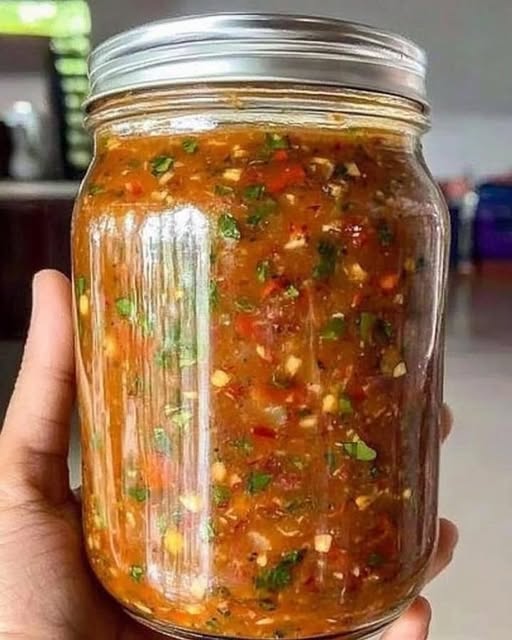
Homemade Salsa Picante is a deeply layered, heat-driven condiment rooted in traditional Latin and Mexican-inspired flavor systems, where chilies are not just an ingredient but a core structural element of cuisine. The term picante refers to spiciness, but in authentic culinary terms, it represents something broader: a balanced integration of heat, acidity, salt, and aromatic depth.
In many traditional cooking systems across Mexico, salsa is not treated as a side sauce—it is part of the main flavor architecture of a dish. It enhances, balances, and sometimes defines the entire eating experience.
Unlike commercial hot sauces that rely heavily on vinegar, preservatives, and artificial heat boosters, homemade salsa picante is built on fresh ingredient transformation, where real chilies, tomatoes, garlic, and acid are converted into a unified, stable sauce through heat, blending, and resting.
This version focuses on creating a salsa that is:
- Bold but controlled in heat
- Fresh but deeply layered in flavor
- Smooth or rustic depending on preference
- Balanced between acidity and spice
It is not just a sauce—it is a heat-flavor engineering system.
Chef’s Philosophy & Culinary Framework
The philosophy behind Homemade Salsa Picante is:
Chili transformation + acidity control + aromatic extraction = structured heat delivery system
Most spicy sauces fail because they only chase heat intensity. This recipe prioritizes heat control through balance, not aggression.
The key idea:
“Heat should travel through flavor, not overpower it.”
This salsa is built on four fundamental sensory pillars:
- Heat (capsaicin from chilies)
- Acidity (lime, vinegar, tomatoes)
- Aromatics (garlic, onion)
- Depth (roasting or simmer reduction)
Each layer is intentionally designed to prevent flavor collapse into “just spicy.”
Core Culinary Systems (Ultra Deep Technical Breakdown)
1. Capsaicin Heat Distribution System
Chilies contain capsaicin, a fat-soluble compound responsible for heat perception.
When processed:
- Capsaicin binds to oils and liquids
- Heat spreads evenly throughout sauce
- Intensity becomes consistent rather than sharp
Different chilies create different heat curves:
- Jalapeño → mild, fresh, grassy heat
- Serrano → sharp, fast heat onset
- Red chili → deeper, longer-lasting burn
- Habanero (optional) → explosive heat spike
This system ensures heat is distributed, not localized.
2. Roasting Flavor Conversion System
Roasting transforms raw ingredients into concentrated flavor units.
When tomatoes, garlic, and chilies are roasted:
- Natural sugars caramelize
- Moisture reduces
- Smoky compounds form
This creates a transition from:
Raw flavor → Deep roasted flavor
This is one of the most important steps for complexity.
3. Acidic Brightness Stabilization System
Acid plays three critical roles:
- Balances heat intensity
- Preserves freshness
- Enhances flavor clarity
Acid sources include:
- Lime juice
- Vinegar
- Tomatoes
Without acidity, salsa becomes heavy and flat. With too much, it becomes sharp and unpleasant. Balance is essential.
4. Aromatic Breakdown & Sweetening System
Garlic and onion undergo chemical transformation during cooking:
- Sulfur compounds break down
- Sharpness reduces
- Natural sweetness emerges
This creates the aromatic base layer, essential for depth.
5. Tomato Umami Structuring System
Tomatoes are not just fillers—they provide:
- Natural glutamates (umami)
- Moisture structure
- Mild sweetness
When blended, they form the body of the salsa, carrying heat and acidity evenly.
6. Mechanical Blending Emulsion System
Blending creates a physical transformation:
- Solid ingredients break down
- Liquid and oil phases combine
- Texture becomes uniform or rustic
This determines final salsa identity:
- Smooth → sauce-like hot sauce
- Chunky → rustic traditional salsa
7. Simmer Reduction Concentration System
Optional simmering transforms salsa further:
- Water evaporates
- Flavor compounds concentrate
- Heat intensity becomes more stable
This step turns fresh blend into finished sauce structure.
8. Oil Infusion Heat Carrier System
Chili compounds bind strongly to fats.
When oil is present:
- Heat becomes smoother
- Flavor lasts longer on palate
- Mouthfeel becomes richer
This is why some salsa styles feel “deeper” than others.
9. Salt Activation & Flavor Unlock System
Salt is a sensory amplifier:
- Enhances chili perception
- Sharpens acidity balance
- Unlocks hidden aromatic notes
Without salt, salsa tastes incomplete and muted.
10. Resting Molecular Fusion System
After cooking:
- Flavor compounds continue blending
- Heat levels stabilize
- Acidity softens
Resting transforms salsa from raw mixture → unified flavor system.
Difficulty, Timing & Yield
Difficulty Level: Easy
Preparation Time: 15–20 minutes
Cooking Time: 10–20 minutes (optional roasting/simmering)
Resting Time: 30 minutes (recommended)
Total Time: ~45–60 minutes
Yield: 1 medium jar
Ingredients (Ultra Detailed Functional Breakdown)
Chili Heat Core System
- 5–8 red chilies (adjust heat level)
- 1–2 serrano or jalapeño peppers
Function:
- Primary heat source
- Flavor backbone
Aromatic Foundation System
- 1 small onion
- 4 cloves garlic
Function:
- Flavor depth
- Sweet aromatic base
Tomato Structural System
- 3–4 medium ripe tomatoes
Function:
- Body of sauce
- Umami support
- Natural sweetness
Acid Balance System
- 2 tablespoons vinegar
- Juice of 1–2 limes
Function:
- Brightness
- Preservation
- Heat balance
Seasoning System
- Salt to taste
- Black pepper (optional)
Function:
- Flavor activation
- Balance control
Optional Enhancement System
- 1 teaspoon sugar or honey
- Smoked paprika
Function:
- Flavor smoothing
- Depth enhancement
Step-by-Step Method (Ultra Detailed Execution System)
Step 1: Ingredient Preparation Phase
Wash and prepare:
- Chilies
- Tomatoes
- Onion
- Garlic
Cut into rough pieces for roasting or blending.
Step 2: Roasting Flavor Development Phase (Optional but Recommended)
Roast:
- Tomatoes
- Chilies
- Garlic
- Onion
Until lightly charred.
This builds smoky depth and reduces raw sharpness.
Step 3: Blending Structural Phase
Add roasted ingredients into blender:
- Chilies
- Tomatoes
- Garlic
- Onion
- Lime juice
- Vinegar
- Salt
Blend to desired consistency:
- Smooth for sauce style
- Chunky for rustic salsa
Step 4: Texture Adjustment Phase
Adjust consistency:
- Add water for thinner sauce
- Blend longer for smoother texture
Step 5: Cooking & Reduction Phase (Optional)
Simmer salsa for 10–15 minutes.
This:
- Deepens flavor
- Reduces raw acidity
- Concentrates heat
Step 6: Cooling & Resting Phase
Let salsa rest for at least 30 minutes.
This allows full flavor integration.
Texture & Flavor Profile
Perfect Homemade Salsa Picante delivers:
- Immediate chili heat onset
- Balanced acidic brightness
- Smoky roasted undertones
- Garlic-onion aromatic depth
- Smooth or rustic texture depending on blend
Advanced Variations
Smoky Chipotle Salsa
- Add chipotle peppers
Deep smoky flavor profile.
Green Salsa Picante
- Use tomatillos + green chilies
Fresh and tangy profile.
Extra Hot Inferno Version
- Add habanero or ghost pepper
Extreme heat profile.
Sweet Heat Salsa
- Add pineapple or mango
Balances spice with fruit sweetness.
Restaurant-Style Smooth Hot Sauce
- Blend fully smooth and strain
Silky commercial texture.
Advanced Tips
- Always roast for deeper flavor
- Balance heat gradually, not aggressively
- Let salsa rest before final taste judgment
- Use fresh lime for brightness
- Adjust salt last
Common Mistakes & Fixes
Too Spicy
Cause:
Excess hot chilies
Fix:
Add tomato or lime juice
Too Acidic
Cause:
Too much vinegar or lime
Fix:
Add tomato or a small amount of sweetener
Bland Flavor
Cause:
No roasting or under-seasoning
Fix:
Increase salt and roast ingredients
Watery Texture
Cause:
No reduction
Fix:
Simmer longer
Storage & Shelf Life
- Store in airtight jar
- Refrigerate up to 10–14 days
- Flavor improves after 24 hours
Serving Suggestions
Serve with:
- Tacos
- Grilled chicken
- Eggs
- Burritos
- Rice bowls
- Fries or nachos
Final Thoughts
Homemade Salsa Picante is a powerful example of how heat can be structured, balanced, and transformed into a layered flavor system rather than just intensity.
It delivers:
- Controlled spice progression
- Fresh and roasted flavor balance
- Versatile culinary use
At its core, it proves:
Spice is not just heat—it is a structured flavor system that, when balanced correctly, becomes one of the most expressive elements in cooking
