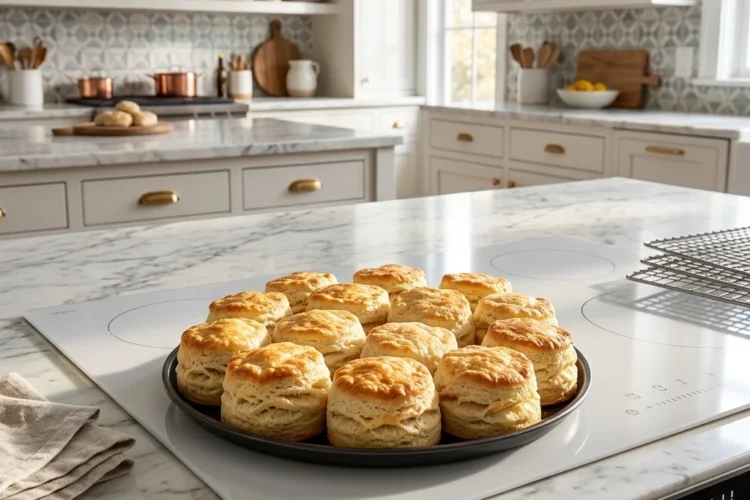
Gluten-Free Buttermilk Biscuits are a delicious alternative to traditional Southern biscuits, offering the same soft centers, golden tops, and buttery layers without using regular wheat flour. These homemade biscuits are light, tender, and slightly tangy, making them a wonderful addition to breakfast, lunch, or dinner. Whether you follow a gluten-free diet or simply want to try something different, this easy biscuit recipe delivers comforting results with simple ingredients and straightforward preparation.
One of the best things about these gluten-free biscuits is their texture. Many gluten-free baked goods can become dry, crumbly, or overly dense, but the combination of buttermilk, cold butter, and a suitable gluten-free flour blend helps create a soft and fluffy interior. The outside develops a lightly crisp golden surface while the inside stays moist and tender. Each biscuit has a rich buttery flavor that makes it delicious on its own or served with your favorite toppings.
This recipe is also convenient for busy mornings because the biscuits require no yeast and no rising time. You can prepare the dough, shape the biscuits, and bake them in approximately 30 minutes. The simple preparation makes them suitable for beginner bakers as well as anyone who enjoys homemade Southern-style comfort food.
What Makes These Gluten-Free Biscuits Special?
Traditional buttermilk biscuits are known for their flaky texture, delicate layers, and rich flavor. Recreating those qualities without wheat flour requires choosing the right ingredients and handling the dough carefully. Gluten-free all-purpose flour provides the main structure, while xanthan gum helps improve the texture when it is not already included in the flour blend.
Cold butter is another important ingredient because it creates small pockets throughout the dough. As the biscuits bake in a hot oven, the butter melts and releases moisture, helping produce a tender texture and delicate layers. Buttermilk contributes moisture and a mild tangy flavor that balances the richness of the butter.
The addition of baking powder helps the biscuits rise during baking, creating a light interior without requiring yeast or proofing. A little granulated sugar adds balance and encourages the tops to develop an appealing golden color. Together, these ingredients create homemade gluten-free biscuits that are satisfying and flavorful.
Why Use Buttermilk in Gluten-Free Biscuits?
Buttermilk plays an important role in producing soft and tender biscuits. Its slightly acidic flavor gives the dough the familiar taste associated with classic Southern buttermilk biscuits. It also adds moisture, which is particularly helpful when working with gluten-free flour blends that may absorb liquid differently from traditional wheat flour.
The acidity of buttermilk works alongside the baking ingredients to support a light texture. It helps create a tender crumb rather than a dry or overly firm biscuit. The result is a biscuit that feels soft when broken apart and has a pleasant flavor without tasting strongly sour.
If you do not have store-bought buttermilk, you can prepare a simple homemade alternative using milk and either white vinegar or lemon juice. Allowing the mixture to stand for several minutes gives it a slightly thickened texture and tangy flavor. Keeping the homemade buttermilk cold before adding it to the dough is especially helpful for maintaining the right biscuit consistency.
Choosing the Best Gluten-Free Flour
The flour blend you choose can make a noticeable difference in the final texture. Not all gluten-free all-purpose flours behave the same way, even when their packaging suggests they can be used as direct substitutes for regular flour. Some blends absorb more moisture, while others produce a softer or firmer dough.
A gluten-free flour blend designed for baking is the best starting point for this recipe. A suitable blend should provide enough structure to hold the biscuits together while allowing the centers to remain tender. The recipe uses two cups of gluten-free all-purpose flour, with additional flour reserved for shaping the dough.
Some flour blends may produce wetter dough because of their ingredients, particularly blends containing sorghum flour. If your chosen flour behaves differently, you may need to make the adjustment described in the recipe notes. Avoid adding too much extra flour immediately, as excessive flour can make the finished biscuits dry and heavy.
For consistent results, use the spoon-and-level method when measuring flour. Spoon the flour into your measuring cup instead of dipping the cup directly into the flour bag. Level the top with a knife to remove the excess. This helps prevent accidentally adding more flour than the recipe requires..
How to Make Gluten-Free Buttermilk Biscuits
Prepare the Oven and Dry Ingredients
Start by preheating your oven to 450°F (232°C). Preparing the oven before mixing the dough ensures that the biscuits can go directly into a hot oven once they have been shaped. This high baking temperature helps the outside develop a golden surface while the centers cook through.
Take a large mixing bowl and combine the gluten-free all-purpose flour, baking powder, salt, and granulated sugar. Stir or whisk the ingredients until they are evenly distributed. Mixing the dry ingredients first helps prevent concentrated pockets of baking powder or salt in individual biscuits.
Prepare and Incorporate the Butter
Cut the unsalted butter into small pieces and place it in the freezer for about 10 minutes. Once chilled, add it to the flour mixture. Use a pastry cutter or fork to work the butter into the dry ingredients until the mixture resembles coarse crumbs with small pea-sized pieces.
Avoid pressing the butter completely into the flour. Maintaining small pieces throughout the mixture is important for achieving a flaky biscuit texture. If the butter begins to soften while you work, briefly chill the mixture before continuing.
Add the Buttermilk and Egg
In a separate container, combine the cold buttermilk with the egg and whisk until blended. Pour this mixture into the flour and butter mixture. Stir gently until a soft dough begins to form.
The dough should look slightly sticky and may appear less smooth than ordinary biscuit dough. This is normal when working with gluten-free flour. Resist the temptation to keep mixing until everything looks perfectly smooth. Overmixing can create dense biscuits instead of the light texture you want.
Fold and Shape the Dough
Place a large sheet of parchment paper on your work surface and sprinkle it with one tablespoon of gluten-free flour. Transfer the dough onto the prepared surface and lightly dust the top with the remaining tablespoon of flour.
Gently fold the dough over itself twice. Folding creates layers without requiring traditional kneading. Do not roll the dough out with a rolling pin, as excessive handling and pressure can affect the finished texture.
Use your hands to form the dough into a round approximately seven inches wide and one inch thick. Keeping the dough at the recommended thickness is important because biscuits that are too flat may bake up firm instead of fluffy.
Cut the Biscuits
Use a two-inch biscuit cutter to cut out individual biscuits. If you do not have a biscuit cutter, the rim of a drinking glass or a clean mason jar lid can work as an alternative.
Press straight down when cutting and avoid twisting the cutter. Twisting can compress the edges and interfere with how the biscuits rise in the oven. Once the first biscuits are cut, gently gather the remaining dough, shape it again, and cut additional rounds.
Arrange the biscuits on a greased large cast-iron pan or baking sheet. The recipe makes approximately 12 biscuits, depending on how efficiently the dough is shaped and cut.
Bake Until Golden
Place the biscuits in the preheated oven and bake at 450°F (232°C) for approximately 15–20 minutes. Begin checking them at the 15-minute mark because oven temperatures and baking times can vary.
The tops should look lightly golden, and the centers should be cooked through. Avoid leaving the biscuits in the oven longer than necessary, as gluten-free baked goods can become dry if overbaked.
Remove the baking pan from the oven and allow the biscuits to rest briefly. For an extra buttery finish, brush the warm tops with melted butter before serving.
Tips for Soft and Fluffy Gluten-Free Biscuits
Grate or Cut the Butter Carefully
Freezing the butter for approximately 10 minutes makes it easier to handle. You can grate chilled butter or cut it into small pieces before incorporating it into the flour. Both methods help distribute the butter throughout the dough.
Avoid Overworking the Dough
Gluten-free biscuit dough should not be kneaded like bread dough. Mix only until the ingredients come together, then gently fold and shape it. Too much handling can make the biscuits dense and less enjoyable.
Use a Large Scoop for Consistent Portions
A large cookie scoop or ice cream scoop can help portion dough evenly when you prefer a drop-biscuit style. For this particular recipe, the dough is shaped and cut into rounds, but consistent portioning is useful when making biscuits of a uniform size.
Measure the Flour Properly
Accurate flour measurement is essential for achieving the right dough consistency. Always spoon flour into the measuring cup and level it with a knife. Scooping directly from the bag can pack the flour and result in a heavier dough.
What to Serve with Gluten-Free Buttermilk Biscuits
These homemade biscuits are versatile enough to accompany sweet and savory dishes. For breakfast, serve them warm with butter, honey, fruit preserves, or jam. Their mild flavor also works beautifully with scrambled eggs, omelets, breakfast potatoes, and other morning favorites.
For a traditional Southern-inspired meal, pair them with sausage gravy or creamy chicken gravy. The soft centers absorb sauces wonderfully, making them a comforting addition to a hearty breakfast or dinner. You can also serve them alongside roasted chicken, grilled meats, or vegetables.
If you enjoy sweet and savory combinations, try adding honey or a little fruit jam to a warm biscuit. For a more filling option, slice one open and add eggs, cheese, or your favorite breakfast filling. These biscuits are also delicious served alongside soups and stews, especially when you want something homemade to enjoy with the broth.
Frequently Asked Questions
Are These Gluten-Free Buttermilk Biscuits Fluffy?
Yes. The combination of gluten-free flour, baking powder, cold butter, buttermilk, and gentle dough handling helps produce soft, fluffy biscuits. Using a suitable flour blend and keeping the ingredients cold are particularly important for achieving a tender interior.
Can I Make Buttermilk at Home?
Yes. Add one tablespoon of white vinegar or lemon juice to one cup of milk and allow it to stand for approximately five to ten minutes in the refrigerator. This creates a simple homemade buttermilk substitute that can be used in the recipe.
Can I Make These Biscuits Dairy-Free?
The original recipe provides dairy-free alternatives for the butter and buttermilk. Dairy-free milk such as almond, cashew, or coconut milk can be combined with vinegar to create a buttermilk-style substitute. A suitable dairy-free butter alternative or shortening can replace the regular butter.
Why Are My Gluten-Free Biscuits Dense?
Dense biscuits can result from using too much flour, overmixing the dough, using warm butter, or flattening the dough too much. Measure the flour carefully, keep the ingredients cold, and handle the dough gently to encourage a lighter result.
Can I Prepare the Dough Ahead of Time?
For the best texture, prepare and bake the biscuits while the ingredients are still cold. If you need to prepare ahead, keep the dough chilled and handle it as little as possible. Make sure the oven is fully preheated before baking.
How Do I Know When the Biscuits Are Ready?
The biscuits are generally ready after 15–20 minutes in a 450°F oven. Look for lightly golden tops and fully baked centers. Because ovens vary, begin checking them at 15 minutes to prevent overbaking.
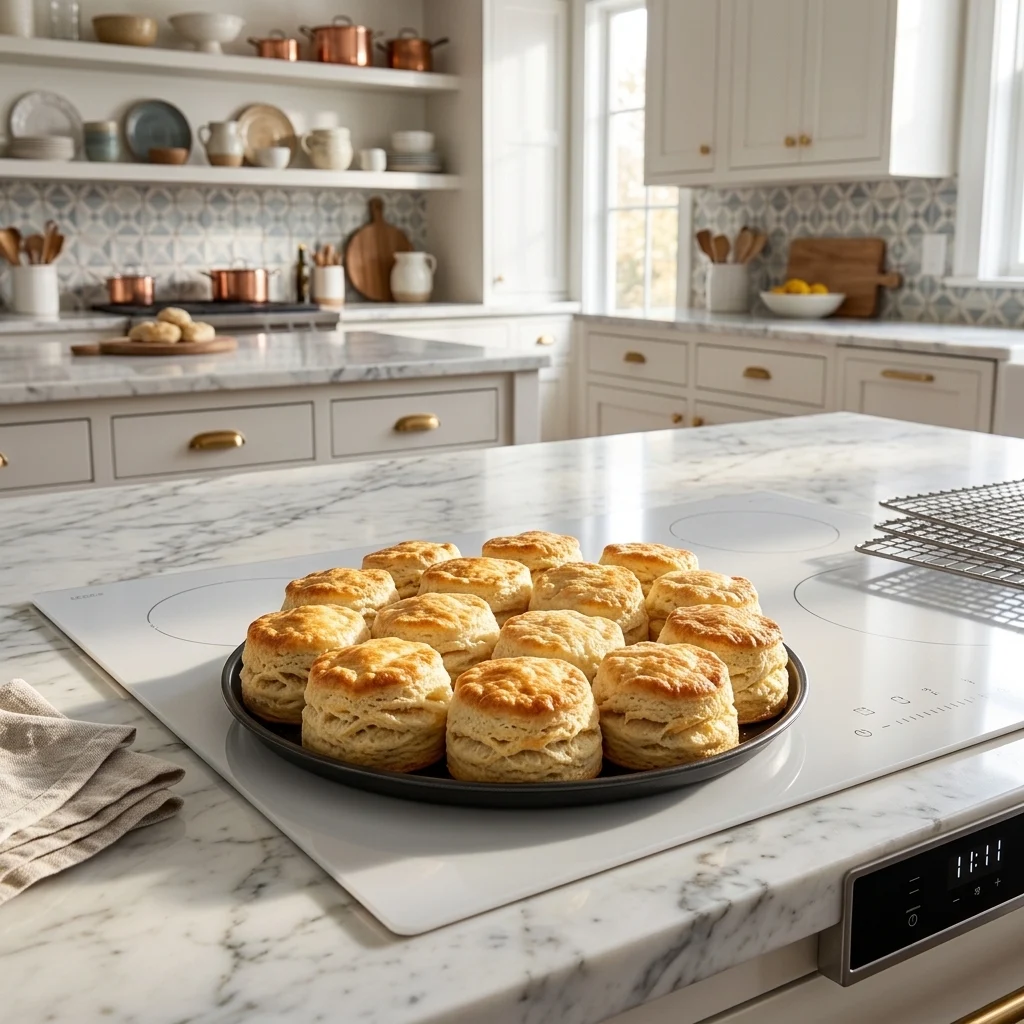
Gluten-Free Buttermilk Biscuits
Soft, fluffy, and buttery gluten-free buttermilk biscuits with golden tops and tender centers. These easy Southern-style biscuits are made with gluten-free flour, cold butter, and buttermilk, and are ready in approximately 30 minutes.
12
servings15
minutes15
minutes143
kcal30
minutesIngredients
2 cups (270 g) gluten-free all-purpose flour
½ teaspoon (1.5 g) xanthan gum, omit if already included in the flour blend
1 tablespoon (14 g) gluten-free baking powder
1 teaspoon (6 g) salt
2 tablespoons (25 g) granulated sugar
1 cup (240 ml) buttermilk
6 tablespoons (85 g) unsalted butter
1 large egg
2 tablespoons (15 g) gluten-free all-purpose flour
Directions
- Preheat the oven to 450°F (232°C).
- In a large mixing bowl, combine the gluten-free flour, baking powder, salt, and granulated sugar. Stir until evenly mixed.
- Cut the butter into small pieces and place it in the freezer for approximately 10 minutes to keep it cold.
- Use a pastry cutter or fork to incorporate the chilled butter into the flour mixture until the pieces resemble small peas.
- Whisk the egg into the cold buttermilk, then pour the mixture into the dry ingredients. Stir gently until a soft, slightly sticky dough forms. Do not overmix.
- Sprinkle one tablespoon of gluten-free flour over a large sheet of parchment paper. Transfer the dough onto the surface and dust the top with the remaining tablespoon of flour.
- Gently fold the dough over itself twice. Do not use a rolling pin.
- Shape the dough into a round approximately seven inches in diameter and one inch thick.
- Cut out two-inch biscuits using a biscuit cutter or the rim of a glass. Press straight down without twisting. Gather the leftover dough, reshape it, and cut additional biscuits.
- Arrange the biscuits on a greased cast-iron pan or baking sheet.
- Bake for 15–20 minutes at 450°F (232°C), checking at the 15-minute mark until the tops are golden brown.
- Remove from the oven, brush the warm biscuits with melted butter if desired, and serve.
Notes
- Pillsbury gluten-free flour is recommended for a particularly fluffy texture.
- Other flour blends, including Bob’s Red Mill, Great Value, King Arthur, and Pamela’s, may produce wetter dough. If using these blends, increase the flour to 2½ cups as suggested in the original recipe.
- Use the spoon-and-level method when measuring flour to avoid adding too much.
- Keep the butter and buttermilk cold for the best texture.
- Do not roll out the dough or twist the biscuit cutter.
- For a homemade buttermilk substitute, combine one tablespoon of white vinegar or lemon juice with one cup of milk and refrigerate for 5–10 minutes.
- Dairy-free alternatives can be used as described in the ingredient instructions.
Nutrition Facts
- Total number of serves: 12
- Calories: 143kcal
- Fat: 7g
- Carbohydrates: 17g
- Sugar: 3g
- Protein: 3g
