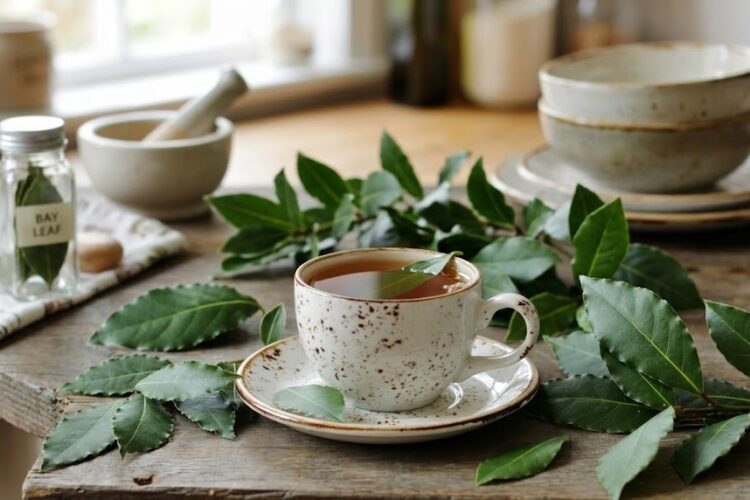
Bay Leaves Tea with Cinnamon and Cloves is a simple homemade herbal drink with a warm aroma, gentle spice, and naturally comforting flavor. Made by simmering dried bay leaves with cinnamon and cloves, this easy tea can be prepared in about 15 minutes and enjoyed hot whenever you want a soothing beverage.
The earthy character of bay leaves blends beautifully with the sweet warmth of cinnamon and the bold, fragrant taste of cloves, creating a tea that feels especially pleasant on cool mornings, relaxing evenings, or whenever you prefer a caffeine-free drink. Optional honey, another sweetener, or fresh lemon slices can be added to adjust the final flavor without changing the basic preparation.
Unlike many complicated herbal drink recipes, bay leaf tea requires only a few ingredients and very little kitchen equipment. A small saucepan, water, the listed spices, and a strainer are enough to prepare two servings.
The ingredients slowly release their aroma into the hot water, producing a fragrant infusion with layers of woody, sweet, and spicy notes. Because the recipe is easy to customize at serving time, you can enjoy it plain for a stronger herbal taste or add honey and lemon for a softer, brighter finish. This makes cinnamon and clove bay leaf tea a practical recipe for anyone looking for a warm homemade beverage.
Why Bay Leaves Work Well in Herbal Tea
Bay leaves are widely known as a flavorful cooking ingredient, particularly in soups, stews, sauces, and rice dishes, but they can also be infused in hot water to create an aromatic herbal tea. When simmered, dried bay leaves release a distinctive fragrance that is earthy, slightly floral, and mildly bitter. Their flavor provides a strong base for warm spices, which is why cinnamon and cloves are natural companions in this tea. The result is more complex than plain herbal tea while still being easy to prepare with familiar pantry ingredients.
Bay leaves also contain naturally occurring plant compounds, including antioxidant compounds that have been studied for their potential role in protecting cells from oxidative stress. They have a long history of traditional use in food and herbal preparations, particularly as a warming ingredient associated with digestion and general comfort. It is important, however, to enjoy herbal tea as part of a balanced diet rather than treating it as a replacement for medical care. Research into the specific health effects of bay leaf tea is still developing, and individual results may vary depending on overall diet, lifestyle, and health needs.
The variety of bay leaf can also affect flavor, so using the dried LUM’ARI bay leaves listed in the original ingredients helps preserve the intended character of this recipe. Dried leaves generally provide a concentrated aroma and are convenient to store for future use. Since bay leaves are removed before drinking, the tea remains easy to serve and does not require any special equipment beyond a basic strainer. This straightforward process is one reason bay leaves tea has become a popular homemade herbal beverage for people who enjoy experimenting with simple spices.
The Warm Flavor of Cinnamon
Cinnamon brings sweetness, warmth, and a familiar comforting aroma to this bay leaves tea recipe. A cinnamon stick is ideal for a slow infusion because it gradually releases its flavor as the water simmers. The original recipe also provides the option of using ground cinnamon, making the drink accessible even when whole cinnamon sticks are unavailable. Cinnamon helps round out the deeper, more herbal notes of the bay leaves and gives the finished tea a naturally inviting fragrance.
Cinnamon is also widely appreciated for its antioxidant content and has been studied for several potential health-related effects, including its relationship with inflammation and blood sugar metabolism. These findings do not mean that cinnamon tea should be used to manage a medical condition without professional guidance. Instead, the spice can simply be enjoyed as a flavorful ingredient that adds depth to a homemade drink. For people monitoring blood sugar or taking medication, it is sensible to speak with a qualified healthcare professional before relying on herbal or spice-based remedies.
From a culinary perspective, cinnamon makes this herbal tea especially suitable for colder weather, although there is no reason to limit it to one season. Its sweet aroma can make the beverage feel satisfying even before adding honey or another sweetener. If you enjoy a stronger cinnamon profile, allowing the ingredients to simmer for the full recommended time will help develop a deeper flavor. The optional use of ground cinnamon offers convenience, though careful straining may be useful because powdered spices can leave fine particles in the tea.
How Cloves Add Depth and Aroma
Cloves may be small, but they have a powerful and recognizable flavor. Just a few whole cloves can add a warm, slightly sweet, and peppery quality to bay leaf tea. The original recipe also allows ground cloves as an alternative, although whole cloves are often easier to remove after simmering. When paired with cinnamon, cloves create the familiar spicy aroma often associated with warm seasonal drinks, while the bay leaves provide an earthy foundation that keeps the tea from tasting overly sweet.
Cloves contain eugenol and other naturally occurring compounds that contribute to their distinctive aroma and have attracted scientific interest for antioxidant and antimicrobial properties. In everyday cooking and beverage preparation, cloves are primarily valued for their intense flavor, so a small quantity is usually enough. This recipe uses only two to three whole cloves, which helps keep the spice balanced rather than overwhelming the other ingredients. Crushing the cloves gently before simmering can help release their aromatic oils into the water.
The combination of cloves, cinnamon, and bay leaves creates a layered herbal drink that develops gradually as it cooks. At first, the aroma may seem dominated by cinnamon and cloves, but as the infusion continues, the herbal quality of the bay leaves becomes more noticeable. This balance is one of the reasons simmering is preferable to simply steeping the ingredients briefly. A gentle cooking period gives each ingredient enough time to contribute to the final flavor while keeping the preparation simple and approachable.
Bay Leaves Tea for Digestion and Comfort
Warm herbal beverages are often enjoyed after meals because they can feel soothing and may encourage a slower, more relaxed eating routine. Bay leaves, cinnamon, and cloves have all been traditionally used in culinary and herbal preparations associated with digestive comfort. The warm liquid itself can also be pleasant after a heavy meal or during moments when you simply want a lighter alternative to coffee, soft drinks, or highly sweetened beverages.
Some people enjoy bay leaf tea when experiencing occasional bloating or a feeling of fullness, although scientific evidence for specific digestive benefits from this exact beverage remains limited. It is best to think of this recipe as a comforting drink rather than a guaranteed treatment for digestive symptoms. Persistent, severe, or recurring digestive problems should be discussed with a healthcare professional. Within an ordinary diet, however, a cup of warm herbal tea can be a pleasant addition to a relaxing routine.
The optional lemon slices can add a fresh, citrusy note that brightens the stronger spices. Honey or another sweetener can soften the earthy and spicy flavors, making the tea easier to enjoy for those who prefer a sweeter drink. Both additions are optional, so the basic recipe remains flexible. Serving the tea without sweetener allows the natural flavors of the bay leaves, cinnamon, and cloves to stand out more clearly.
Antioxidants and General Wellness
Bay leaves, cinnamon, and cloves contain plant compounds with antioxidant activity. Antioxidants are substances that can help protect cells from damage associated with oxidative processes, although no single food or drink can provide complete protection or guarantee better health. A varied diet containing fruits, vegetables, whole grains, legumes, nuts, and other nutritious foods remains more important than relying on one herbal tea for wellness.
Adding this bay leaf cinnamon and clove tea to a balanced routine can be an enjoyable way to include flavorful plant ingredients in your day. The drink contains no caffeine unless it is combined with another tea, making it suitable for many people who prefer a warm evening beverage without the stimulating effects of coffee or black tea. Its aroma may also contribute to a calming drinking experience, especially when enjoyed slowly in a quiet setting.
The word “wellness” can mean different things to different people. For some, it means choosing more homemade beverages. For others, it may involve reducing sugary drinks or creating a relaxing evening routine. This recipe can fit into those habits because it uses simple ingredients and allows sweetness to remain optional. Rather than making exaggerated promises, the best reason to prepare this tea is its appealing flavor, comforting warmth, and ease of preparation.
Can Bay Leaf Tea Help with Blood Sugar Balance?
Cinnamon and bay leaves are sometimes discussed in connection with blood sugar regulation because certain compounds in these ingredients have been studied for possible metabolic effects. However, research findings vary, and drinking this tea should not be considered a substitute for prescribed medication, medical treatment, or a diabetes management plan. The exact effect of a homemade herbal infusion can differ depending on the amount consumed and many individual health factors.
If you are preparing this drink with blood sugar balance in mind, consider keeping the sweetener optional or using only the amount that fits your dietary needs. The unsweetened version highlights the natural flavors of the spices and may be suitable for those who prefer to avoid added sugars. Anyone taking medication that affects blood sugar should consult a healthcare professional before making significant changes involving concentrated herbal or spice preparations.
For most people, the simplest approach is to enjoy bay leaves tea with cinnamon and cloves as a flavorful beverage rather than expecting a specific therapeutic result. Healthy blood sugar management depends on many factors, including diet, physical activity, sleep, stress, medication when prescribed, and regular medical guidance. This tea can complement a healthy lifestyle, but it cannot replace those essential elements.
A Relaxing Caffeine-Free Evening Drink
One of the most attractive features of this homemade herbal tea is its naturally caffeine-free character. Many people enjoy a warm drink in the evening but prefer to avoid coffee, energy drinks, or strongly caffeinated tea before bed. Bay leaves tea with cinnamon and cloves offers a fragrant alternative that can become part of a calming nighttime routine.
The warmth of the drink and the familiar scent of cinnamon can create a cozy atmosphere, particularly when the tea is served in a favorite mug and enjoyed without rushing. Cloves add another layer of aroma, giving the infusion a fuller and more interesting character. While the drink itself should not be presented as a cure for stress or sleep problems, the simple ritual of preparing and sipping a warm beverage can feel relaxing.
Try preparing the tea after dinner, while reading, or during a quiet break from screens. The recipe is quick enough for everyday use and does not require advance preparation. Because it makes two servings, it can also be shared with another person or stored for later according to the notes below. Small routines like these can make an ordinary homemade drink feel more special.
How to Make Bay Leaves Tea with Cinnamon and Cloves
The preparation begins by gently breaking the cinnamon stick and lightly crushing the whole cloves. This step is useful because it exposes more surface area and encourages the spices to release their aromatic oils during cooking. There is no need to grind them into a powder. If using the ground alternatives listed in the recipe, simply measure them carefully and be prepared to strain the finished tea well.
Next, bring the two cups of water to a boil in a small saucepan. Once the water is boiling, add the dried LUM’ARI bay leaves, cinnamon, and cloves. Reduce the heat so the mixture simmers gently rather than boiling aggressively. A gentle simmer helps the ingredients infuse steadily and creates a smoother flavor.
Allow the tea to simmer for approximately 10 to 12 minutes if you prefer a stronger taste. During this time, the kitchen will begin to fill with the warm scent of cinnamon and cloves. The bay leaves will contribute their earthy aroma as the infusion develops. If you prefer a milder beverage, you can watch the strength carefully and remove it from the heat when the flavor reaches your preferred level.
Notes for the Best Flavor
Flavor strength is easy to adjust without changing the original ingredient quantities. A longer simmer generally creates a stronger and more concentrated infusion, while a shorter cooking period produces a lighter drink. Because cloves are particularly powerful, their flavor may become dominant if the tea is left to simmer for an extended period. Following the suggested cooking time provides a balanced starting point.
Using fresh, properly stored spices can make a noticeable difference. Cinnamon sticks, dried bay leaves, and whole cloves gradually lose aroma over time when exposed to air, heat, and moisture. Store these ingredients in sealed containers in a cool, dry cupboard to preserve their quality. Whole spices often retain their fragrance longer than ground versions, although either option listed in the recipe can be used.
Frequently Asked Questions About Bay Leaves Tea
Can I use ground cinnamon and ground cloves?
Yes. The original recipe allows either a cinnamon stick or one-half teaspoon of ground cinnamon, as well as whole cloves or one-half teaspoon of ground cloves. Ground spices may produce a stronger, cloudier infusion, so use a fine strainer before serving to remove as many particles as possible.
Can I add ginger or mint?
You can add other herbs or spices for a different flavor, but doing so would create a variation rather than the original recipe. Ginger can add extra warmth and spice, while mint can create a fresher taste. If preserving the original recipe is important, prepare the tea exactly as listed and treat additional ingredients as optional variations outside the main recipe.
Should I drink this tea every day?
For general culinary enjoyment, many people can include herbal beverages in a balanced diet. However, individual needs differ, particularly for people who are pregnant, managing a health condition, or taking regular medication. If you have concerns about frequent consumption of bay leaves or concentrated spices, seek advice from a qualified healthcare professional.
Can I make a larger batch?
Yes, you can scale the recipe while keeping the same proportions between water and the listed ingredients. However, stronger or longer simmering can change the flavor quickly, particularly when cloves are involved. When making a larger quantity, monitor the infusion and strain it once the desired strength has developed.

Bay Leaf Clove Tea
A warm and aromatic herbal tea made by simmering dried LUM’ARI bay leaves with cinnamon and cloves.
2
servings5
minutes10
minutes15
minutesIngredients
2–3 dried LUM’ARI bay leaves
1 cinnamon stick, or ½ teaspoon ground cinnamon
2–3 whole cloves, or ½ teaspoon ground cloves
2 cups water
Lemon slices, optional
Directions
- Break the cinnamon stick into smaller pieces. If using whole cloves, gently crush them to help release their natural aroma.
- Pour 2 cups of water into a saucepan and bring it to a boil over medium-high heat.
- Place the dried LUM’ARI bay leaves, cinnamon, and cloves into the boiling water.
- Reduce the heat and allow the mixture to simmer for approximately 10–12 minutes, depending on how strong you prefer the flavor.
- Remove the saucepan from the heat and carefully strain the tea to remove the bay leaves and spices.
- Pour the tea into two cups. Add honey or another sweetener if desired, and finish with optional lemon slices.
- Enjoy immediately while the tea is warm and aromatic.
