
Healthy Chicken Stir Fry is an easy, colorful, and satisfying dinner that brings together tender chicken, crisp vegetables, and a homemade stir fry sauce in one skillet. It is the kind of meal that works especially well on busy weeknights because the preparation is simple and the cooking time is short. In about 30 minutes, you can have a complete homemade dinner on the table without relying on takeout or complicated cooking techniques.
This chicken stir fry recipe combines boneless, skinless chicken with carrots, broccoli, red bell pepper, and orange bell pepper. The vegetables add different colors, textures, and flavors while also making the meal feel fresh and filling. Everything is cooked in a skillet before being coated with a sweet, tangy, savory sauce made with coconut aminos, rice vinegar, fresh orange juice, honey, sesame oil, garlic, and a small amount of cornstarch or arrowroot powder.
One of the best things about this easy chicken stir fry is that the sauce comes together in minutes. Instead of using a bottled stir fry sauce, the ingredients are simply combined in a jar or glass mixing cup and shaken or whisked until blended. The sauce is then added directly to the skillet near the end of cooking. As it simmers, the cornstarch or arrowroot powder helps create a thicker coating that clings to the chicken and vegetables.
Why This Chicken Stir Fry Works So Well
A good stir fry depends on a few basic elements: properly cooked protein, vegetables that retain some texture, and a sauce that brings everything together. This recipe keeps those elements balanced. The chicken provides plenty of protein, while the combination of broccoli, carrots, and colorful peppers gives the dish a variety of textures and flavors. The sauce adds sweetness, acidity, garlic, and sesame notes without requiring a long list of complicated ingredients.
The cooking method is also straightforward. The chicken goes into a hot skillet first, followed by the carrots and broccoli, and then the peppers. This order matters because the vegetables do not all require the same amount of cooking time. Carrots and broccoli benefit from a few extra minutes, while bell peppers can become soft if they are cooked for too long. Adding them in stages helps keep the vegetables tender but not mushy.
Another advantage is that the recipe uses just one large skillet for cooking. That means fewer dishes to wash after dinner, which is always helpful on busy evenings. The sauce can be prepared while the skillet is heating, so there is very little wasted time. With a little preparation, the entire meal can move from raw ingredients to serving bowl in approximately 30 minutes.

Choosing the Chicken
For this recipe, you can use either boneless, skinless chicken breast or chicken thigh. Chicken breast has a leaner texture and works particularly well if you prefer a lighter protein. Chicken thighs contain more fat and tend to stay juicy during cooking. Whichever option you choose, cut the chicken into similarly sized pieces so everything cooks at roughly the same rate.
Keeping the pieces reasonably small also makes the final dish easier to eat. Larger chunks can take longer to cook and may leave the vegetables waiting in the skillet for too long. Smaller, even pieces cook quickly over medium-high heat and can absorb more of the stir fry sauce once it is added.
The chicken should be cooked until it is no longer pink and cooked through. Since cooking times can vary depending on the size of the pieces and the type of chicken used, checking the thickest piece is a good way to make sure it is properly cooked before serving.
Preparing the Vegetables
The vegetable combination gives this healthy chicken stir fry much of its appeal. Carrots contribute natural sweetness and a pleasant bite, while broccoli adds a hearty texture. Red and orange bell peppers bring sweetness, color, and freshness. Together, these vegetables create a visually appealing skillet meal that looks as good as it tastes.
For the best results, prepare all of the vegetables before turning on the stove. Stir frying moves quickly, so having everything sliced and ready makes the cooking process much easier. Peel and thinly slice the carrots, cut the broccoli into bite-sized florets, and slice both bell peppers into strips.
Try to keep the vegetable pieces relatively consistent in size. This helps them cook evenly and prevents some pieces from becoming overly soft while others remain too firm. Because the vegetables are added at different stages, proper preparation is especially important for maintaining the intended texture.
Making the Homemade Stir Fry Sauce
The homemade sauce is the part that gives this dish its signature flavor. Coconut aminos provide a savory base, while rice vinegar contributes acidity. Fresh orange juice adds a bright citrus note, and honey provides sweetness. Sesame oil brings a subtle toasted flavor, while minced garlic gives the sauce its familiar savory character.
Cornstarch or arrowroot powder is included to help thicken the sauce. When the mixture reaches the hot skillet, the thickening agent works as the sauce simmers, creating a glossy coating around the chicken and vegetables. This makes the sauce more substantial than a thin liquid and helps distribute the flavor throughout the dish.
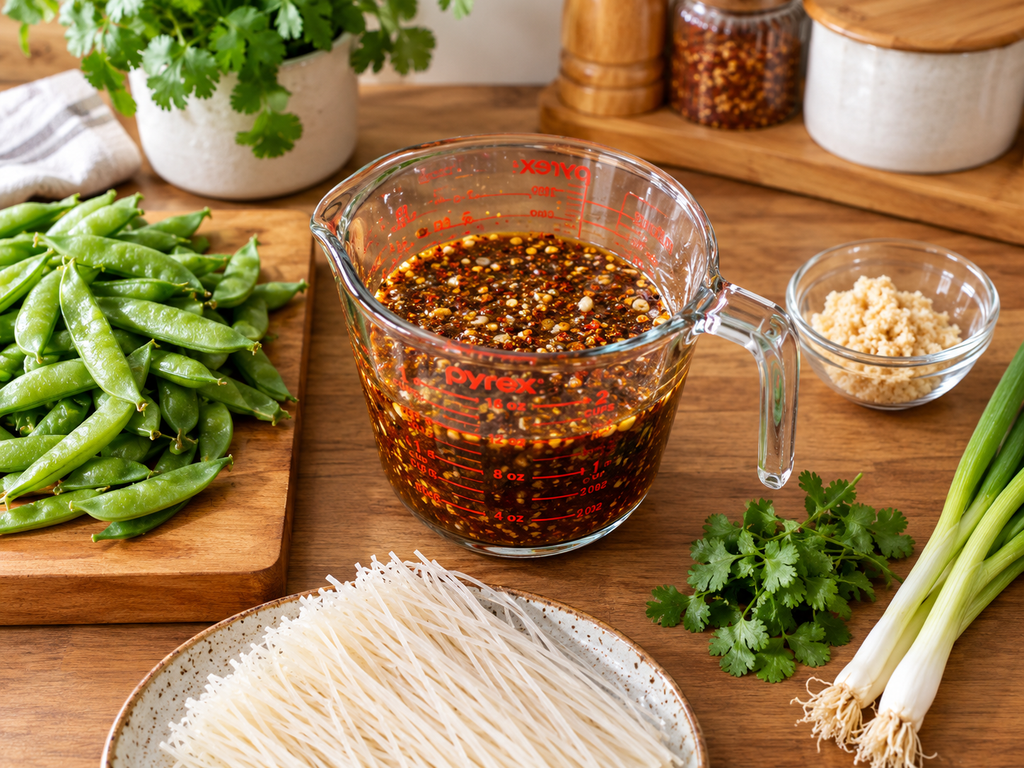
Combine the sauce ingredients in a lidded jar or glass mixing cup and shake or whisk until combined. Because the cornstarch or arrowroot powder can settle, give the sauce another good shake or stir immediately before adding it to the skillet. This simple step helps ensure the thickening ingredient is evenly distributed.
How to Cook Chicken Stir Fry
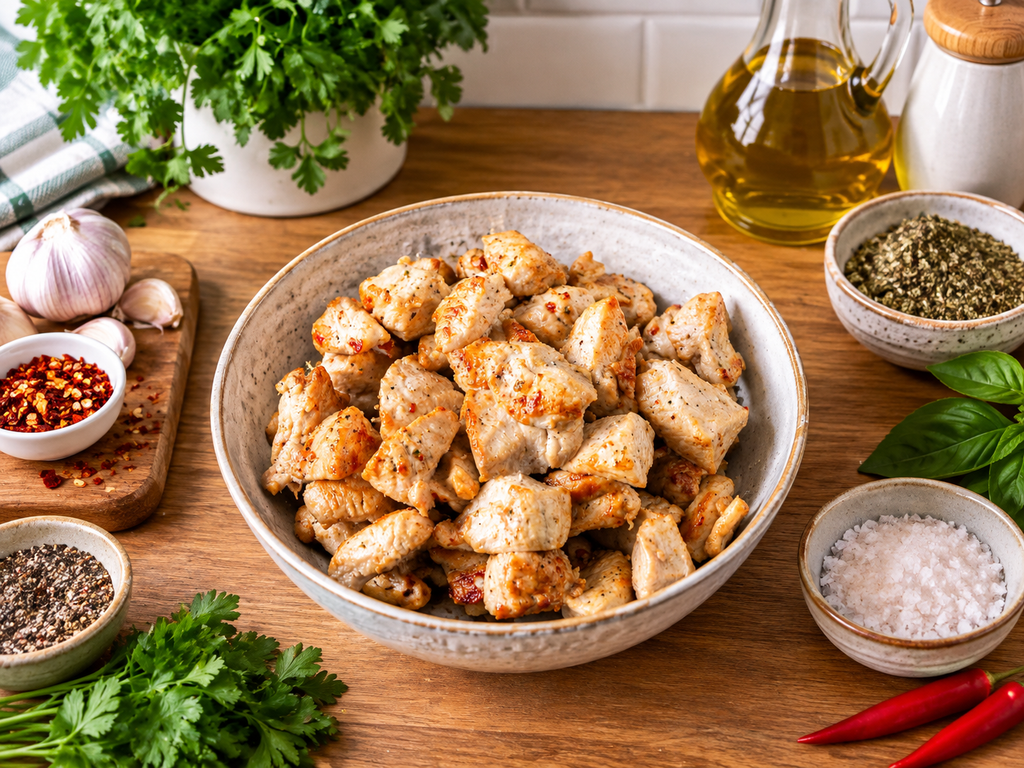
Start by heating a 12-inch skillet over medium-high heat. Add the olive oil and allow it to heat until it shimmers. This provides a hot cooking surface for the chicken and helps it begin browning rather than simply steaming. Add the chicken and toss it so the pieces are coated with the oil.
Cook the chicken, stirring occasionally, for about 5 to 6 minutes or until it is no longer pink. Avoid stirring constantly because allowing the chicken to remain in contact with the hot skillet helps it develop better color and texture. Once the chicken has reached this stage, it is ready for the first vegetables.
Add the sliced carrots and broccoli to the skillet. Toss them with the chicken so they are distributed evenly, then continue stir frying for approximately 3 minutes. These vegetables need slightly more cooking time than the peppers, which is why they are added first.
Next, add the red and orange bell peppers. Toss everything together and continue cooking for another 3 minutes. At this point, the vegetables should be tender enough to eat but still retain some bite. A good stir fry should not have vegetables that are completely limp or watery.
Before adding the sauce, give it another shake or stir if the ingredients have settled. Pour the sauce into the skillet and toss everything thoroughly so the chicken and vegetables are coated. Allow the mixture to simmer for approximately 3 to 5 minutes. During this time, the sauce will thicken, the chicken will finish cooking, and the vegetables will reach a tender texture.
What to Serve With Chicken Stir Fry
This chicken stir fry can be served immediately on its own, but it also pairs well with several simple side options. The original recipe suggests serving it over rice, cauliflower rice, or noodles. Each option creates a slightly different meal while allowing the chicken, vegetables, and sauce to remain the focus.
Traditional rice provides a neutral base that works particularly well with the sweet and savory sauce. Cauliflower rice is a lighter alternative that allows the vegetables and chicken to stand out. Noodles create a heartier presentation and are ideal if you enjoy classic noodle-based stir fry dishes.
Because the stir fry already contains chicken and several vegetables, you do not need to prepare a large number of additional sides. Keeping the serving simple also makes this recipe convenient for meal preparation and busy family dinners.
Making This Recipe for Meal Prep
Chicken stir fry can be a useful option when you want to prepare several meals ahead of time. Once cooked, the chicken and vegetables can be portioned with rice, cauliflower rice, or noodles. Store the portions appropriately and reheat when ready to eat.
For meal prep, avoid overcooking the vegetables during the initial preparation. They will soften further when reheated, so maintaining some texture during the first cooking stage can help the finished meal remain enjoyable after reheating.
The sauce also makes this recipe particularly practical because it coats the ingredients rather than sitting separately. This helps the flavors remain evenly distributed throughout each portion.
Simple Ways to Get Better Results
The easiest way to improve stir fry results is to prepare everything before cooking begins. Once the skillet is hot, the ingredients are added one after another, so stopping to peel vegetables or measure sauce ingredients can interrupt the process. Having the chicken, vegetables, and sauce ready makes the cooking smoother and more controlled.
Another useful technique is to avoid overcrowding the skillet. A large 12-inch skillet gives the ingredients room to cook properly. If the pan becomes too crowded, moisture can build up and the food may steam rather than stir fry. Keeping the ingredients spread across the cooking surface helps maintain better texture.
It is also important to remember that the sauce should be stirred or shaken before it goes into the pan. Ingredients such as cornstarch or arrowroot powder can settle at the bottom. Mixing the sauce immediately before pouring prevents the thickening ingredient from remaining behind in the jar.
Flavor and Texture
The flavor profile of this chicken stir fry comes from the balance between sweet, tangy, savory, and aromatic ingredients. Honey and fresh orange juice add sweetness, while rice vinegar provides acidity. Coconut aminos create a savory foundation, sesame oil contributes depth, and garlic adds a strong aromatic element.
The vegetables provide an important contrast to the sauce. Carrots and bell peppers have natural sweetness, while broccoli offers a more substantial texture. When cooked correctly, the vegetables should remain tender enough to bite while still retaining some firmness.
The finished sauce should be thick enough to coat the chicken and vegetables without becoming overly heavy. The result is a glossy skillet meal where every bite contains a combination of protein, vegetables, and flavorful sauce.
Notes for the Best Chicken Stir Fry
Keep the Sauce Moving
Always shake or whisk the sauce before adding it to the skillet, particularly if it has been sitting while the chicken and vegetables cook. The cornstarch or arrowroot powder may settle, and redistributing it ensures that the sauce thickens properly.
Prepare Everything First
Have the chicken and all vegetables prepared before heating the skillet. Stir frying is a quick cooking method, and having everything ready allows you to focus on the pan rather than stopping between steps.
Do Not Overcook the Vegetables
The vegetables should become tender while retaining some texture. Following the cooking order in the recipe helps achieve this because carrots and broccoli receive additional cooking time before the peppers are introduced.
Serve Immediately
Chicken stir fry is at its best when served hot, shortly after the sauce has thickened. Serving immediately keeps the vegetables at their freshest texture and allows the sauce to remain glossy and flavorful.

Frequently Asked Questions
Can I use chicken breast or chicken thighs?
Yes. The recipe specifically allows either boneless, skinless chicken breast or thigh. Chicken breast offers a leaner option, while chicken thigh generally provides a richer texture. Cut whichever option you use into evenly sized pieces so they cook consistently.
Can I prepare the stir fry sauce ahead of time?
Yes, the sauce ingredients can be combined in advance. If the sauce sits before cooking, make sure to shake or whisk it thoroughly before adding it to the skillet because the thickening ingredient can settle at the bottom.
What should I serve with chicken stir fry?
The recipe recommends serving the finished chicken stir fry over rice, cauliflower rice, or noodles. Choose based on your preference and the type of meal you want to create. Rice provides a classic base, cauliflower rice offers a lighter option, and noodles make the dish more substantial.
How do I keep the vegetables from getting mushy?
Use the cooking sequence provided in the recipe. Start with the carrots and broccoli because they require more time, then add the bell peppers later. Cooking the vegetables only until they are bite tender helps preserve their texture.
Is this a good weeknight dinner?
Yes. The recipe has a total preparation and cooking time of about 30 minutes and uses a single skillet for the main cooking process. The combination of chicken, vegetables, and homemade sauce makes it a convenient choice when you want a quick homemade dinner.
30-Minute Healthy Chicken Stir Fry
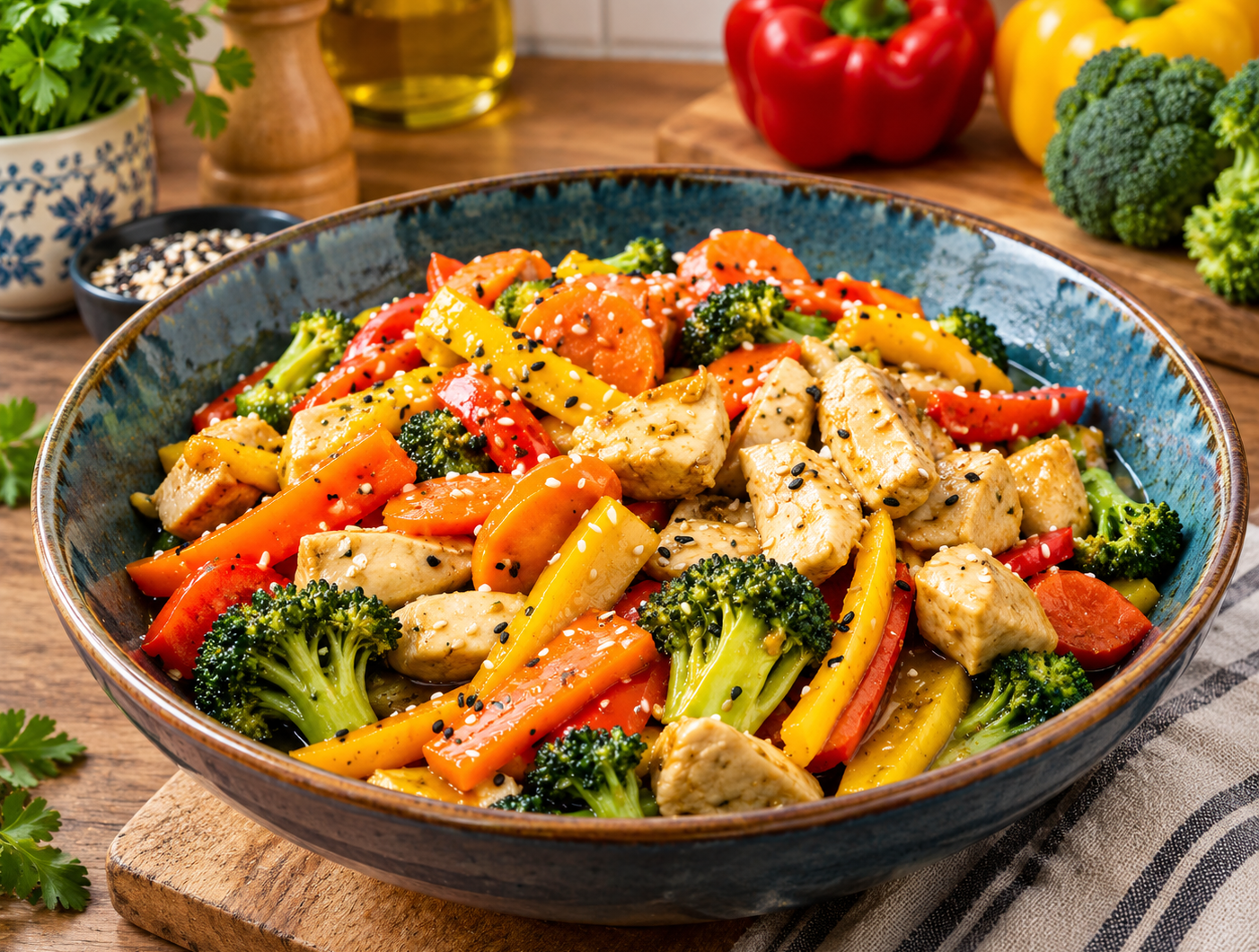
A quick and flavorful chicken stir fry made with tender chicken, broccoli, carrots, red bell pepper, orange bell pepper, and a homemade sweet and savory stir fry sauce.
4
servings10
minutes20
minutes285
kcal30
minutesIngredients
- Chicken & Vegetables
1 lb boneless skinless chicken breast or thigh
1 tablespoon olive oil
2 medium carrots, peeled and thinly sliced
1 head broccoli, cut into bite-sized florets
1 red bell pepper, sliced into strips
1 orange bell pepper, sliced into strips
- Stir Fry Sauce
¼ cup coconut aminos
2 tablespoons rice vinegar
2 tablespoons fresh orange juice
2 tablespoons honey
1 tablespoon cornstarch or arrowroot powder
2 teaspoons sesame oil
2 cloves garlic, minced
Directions
- Add the coconut aminos, rice vinegar, fresh orange juice, honey, cornstarch or arrowroot powder, sesame oil, and minced garlic to a lidded jar or glass mixing cup. Shake or whisk until the sauce is well combined. Set aside.
- Heat a 12-inch skillet over medium-high heat. Add the olive oil and allow it to heat until it shimmers.
- Add the chicken to the skillet and toss to coat it with the oil. Sauté, stirring occasionally, for 5 to 6 minutes, or until the chicken is no longer pink.
- Add the sliced carrots and broccoli. Toss them together with the chicken and stir fry for about 3 minutes.
- Add the red and orange bell peppers. Toss everything together and continue stir frying for another 3 minutes.
- Shake or stir the prepared sauce again if the ingredients have settled. Pour the sauce into the skillet and toss thoroughly so it coats the chicken and vegetables.
- Allow the mixture to simmer for 3 to 5 minutes, or until the sauce has thickened, the chicken is completely cooked through, and the vegetables are tender but still slightly crisp.
- Serve immediately over rice, cauliflower rice, or noodles.
Nutrition Facts
- Total number of serves: 1
- Calories: 285kcal
- Fat: 10g
- Carbohydrates: 28g
- Fiber: 4g
- Sugar: 18g
- Protein: 36g
