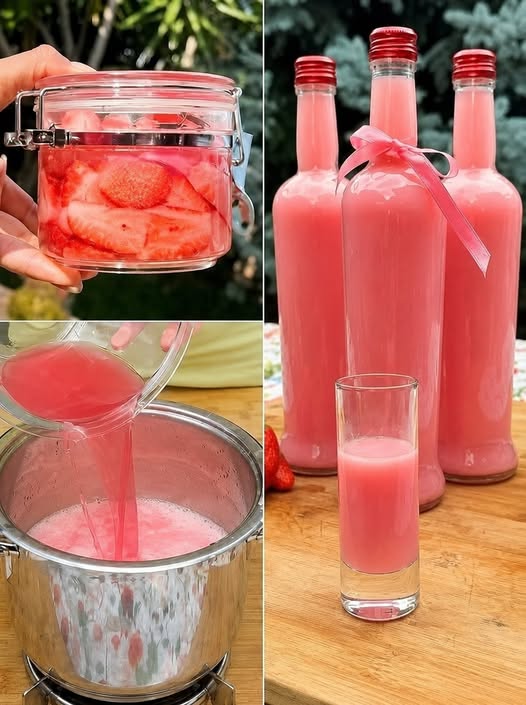
Homemade strawberry syrup is a simple and delicious way to enjoy the sweet, fruity flavor of fresh strawberries throughout the year. Made with just two main ingredients, fresh strawberries and granulated sugar, this easy strawberry syrup recipe creates a naturally flavored topping that can be used in countless ways. Whether you want to add a fruity touch to lemonade, iced tea, milkshakes, or other refreshing beverages, this homemade version offers a fresh alternative to many store-bought syrups. It has a beautiful red color, a pleasant strawberry aroma, and a naturally sweet taste that makes everyday drinks and desserts more enjoyable.
One of the best things about making strawberry syrup at home is how little effort it requires. You do not need special kitchen equipment, complicated techniques, or a long list of ingredients. Simply prepare the strawberries, combine them with sugar and a little water, and allow everything to simmer until the fruit releases its juices. After cooking, strain the mixture to remove the pulp and leave behind a smooth, flavorful syrup. The entire process takes approximately 25 minutes, making it a convenient recipe whenever fresh strawberries are available.
This Strawberry Syrup Recipe
Made with Just Two Main Ingredients
You do not need an expensive collection of ingredients to prepare a delicious fruit syrup. Fresh strawberries and granulated sugar are the two main ingredients responsible for its flavor, sweetness, and consistency. Strawberries provide the natural fruity taste and bright color, while sugar helps create the smooth syrupy texture. A small amount of water is also added during cooking to help the ingredients combine evenly. Keeping the ingredient list simple allows the fresh strawberry flavor to remain the main focus.
Fresh Strawberry Flavor
Homemade strawberry syrup has a fresh fruit taste that can be difficult to find in commercially prepared products. Cooking fresh strawberries gently allows their natural juices and aroma to develop into a concentrated syrup. Instead of relying on artificial strawberry flavoring, this recipe uses real fruit to create a naturally delicious result. Every spoonful carries the familiar sweetness of strawberries, making it an excellent addition to cold drinks, breakfast foods, and homemade desserts.
Quick and Easy Preparation
This recipe is suitable for beginners because the preparation process involves only a few straightforward steps. Washing, hulling, and slicing the strawberries takes just a few minutes, while the cooking process allows the fruit to soften and release its juices. Once the mixture becomes thick and syrupy, it is strained and left to cool. You can prepare a fresh batch without spending hours in the kitchen, making it a useful recipe for busy mornings, weekend breakfasts, or special gatherings.
Easy to Adjust the Consistency
Another advantage of homemade strawberry syrup is that you can control how thick or thin you want the finished product to be. If you prefer a light syrup that pours easily into lemonade and iced tea, follow the recommended cooking time. For a thicker consistency that works well over pancakes, waffles, and ice cream, cook the strained syrup a little longer. This flexibility makes the recipe suitable for different uses without requiring additional ingredients.
Ingredients for Homemade Strawberry Syrup
The ingredient list is short, but selecting good-quality strawberries makes a noticeable difference in the final flavor. Since strawberries are the main ingredient, their natural sweetness and freshness determine how delicious the syrup will taste. Choose berries that are bright red, fragrant, and reasonably firm. Avoid fruit that has mold, excessive bruising, or an unpleasant smell. Fresh strawberries that are fully ripe generally provide the best flavor and color.
Fresh Strawberries
Fresh strawberries are the foundation of this recipe. You will need one pound of strawberries, approximately 450 grams. Before cooking, wash them thoroughly, remove the green leafy tops, and slice them into pieces about half an inch thick. Cutting the fruit into smaller pieces helps it soften more evenly and release its natural juices during cooking. Ripe strawberries are especially useful because they provide a naturally sweet flavor and a beautiful red appearance without needing additional flavoring ingredients.
Granulated Sugar
Granulated sugar adds sweetness and helps create the syrup’s smooth consistency. The recipe uses three-quarters of a cup, approximately 150 grams. When the sugar is heated with strawberries, it combines with the fruit juices and creates a sweet liquid that gradually thickens as the mixture cooks. Regular white granulated sugar works well because it dissolves easily and allows the natural strawberry color to remain bright. Measuring the sugar accurately helps maintain the intended sweetness and consistency.
How to Make Strawberry Syrup at Home
Prepare the Fresh Strawberries
Start by washing the strawberries under cool running water to remove any dirt or unwanted residue. Drain them well, remove the green tops, and slice each strawberry into pieces approximately half an inch thick. Try to keep the pieces relatively similar in size so they soften evenly during cooking. Proper preparation helps the strawberries release their juices more efficiently once they are combined with sugar and heated in the saucepan.
Combine the Strawberries, Sugar, and Water
Place the sliced strawberries in a medium-sized saucepan and add the measured granulated sugar. Pour in two tablespoons of water to help the ingredients begin combining during the initial heating process. Set the saucepan over medium-high heat and stir the mixture frequently. As the temperature increases, the strawberries will begin releasing their natural juices, and the sugar will gradually dissolve into the liquid. This stage takes approximately three minutes, depending on the heat and freshness of the fruit.
Simmer Until the Mixture Thickens
Once the mixture reaches a boil, reduce the heat to medium and continue cooking for approximately 10 to 12 minutes. Stir frequently to prevent the fruit and sugar from sticking to the bottom of the saucepan. During this stage, the strawberries will become soft and begin breaking down, while the liquid becomes darker and more concentrated. The syrup should gradually thicken, and the overall volume should reduce by approximately half. Avoid using excessively high heat because gentle cooking helps develop the strawberry flavor without burning the sugar.
Strain the Strawberry Mixture
Remove the saucepan from the heat and immediately pour the cooked mixture through a wire strainer positioned over a heat-safe bowl. Use a spoon to stir and press the mixture through the strainer, helping as much syrup as possible pass through while the larger pieces of fruit remain behind. A regular fine-mesh kitchen strainer works well for this process. You do not need cheesecloth because an overly fine filter can make extracting the syrup more difficult.
Cool and Prepare for Storage
Allow the strained strawberry syrup to cool to room temperature before transferring it into a clean, covered container. The syrup may appear slightly thinner while warm, but its consistency can become thicker as it cools. Once cooled, it is ready to use in your favorite drinks, desserts, and breakfast recipes. Keep the container covered and refrigerated when the syrup is not being used to help maintain its freshness and flavor.
Best Ways to Use Strawberry Syrup
Strawberry Lemonade and Refreshing Drinks
One of the most popular ways to enjoy homemade strawberry syrup is by adding it to lemonade. The sweet strawberry flavor combines beautifully with the refreshing tartness of lemon juice, creating a fruity drink that is especially enjoyable during warm weather. Simply stir a little syrup into a glass of prepared lemonade, add ice, and mix until combined. You can also adjust the quantity according to your preferred sweetness. It is an easy way to give ordinary lemonade a colorful and flavorful upgrade.
Iced Tea and Cold Beverages
Strawberry syrup can also be mixed into iced tea to create a refreshing homemade beverage. Add a small amount to chilled black tea or green tea and stir until the syrup dissolves completely. The strawberry flavor provides a fruity sweetness without requiring fresh fruit pieces in every glass. It also works well in sparkling water, homemade fruit drinks, and other chilled beverages. For a simple presentation, serve the drink over ice with fresh strawberry slices.
Milkshakes and Smoothies
If you enjoy fruity milkshakes, this homemade syrup can be used to add strawberry flavor without preparing an entirely new fruit mixture. Stir it into vanilla milkshakes or blend it with milk and ice cream for a sweeter strawberry-style drink. You can also drizzle a little syrup inside the serving glass before pouring in the milkshake. This creates attractive red streaks and adds extra fruit flavor to every sip.
Pancakes, Waffles, and French Toast
Strawberry syrup is an excellent alternative to traditional pancake toppings. Pour it over warm pancakes, waffles, or French toast for a sweet breakfast with fresh strawberry flavor. The syrup spreads easily over the surface and adds moisture without requiring a separate fruit sauce. You can also serve it alongside sliced strawberries for additional texture. Its bright color makes simple breakfast dishes look more appealing while adding a naturally fruity element.
Ice Cream and Homemade Desserts
For dessert lovers, strawberry syrup is a convenient topping for vanilla ice cream, frozen yogurt, cheesecake, and other sweet treats. A small drizzle provides concentrated strawberry flavor and creates a colorful contrast against creamy desserts. It can also be added to pudding, cake slices, and homemade parfaits. Because the syrup is smooth after straining, it is especially useful when you want strawberry flavor without large pieces of fruit in your dessert.
Tips for Making the Best Strawberry Syrup
Choose Ripe and Fresh Strawberries
The quality of your strawberries has a direct effect on the flavor of the finished syrup. Choose ripe berries with a bright red color and a pleasant fragrance. Naturally sweet strawberries generally produce a more flavorful syrup than fruit that is pale, firm, or underripe. Remove any damaged or spoiled sections before cooking. Taking a little time to select good fruit can make the final result taste fresher and more enjoyable.
Use the Right Strainer
A regular wire strainer or fine-mesh kitchen sieve is suitable for removing the cooked strawberry pulp. Choose one that allows the liquid to pass through easily while catching the larger fruit pieces. Avoid using cheesecloth or an extremely fine filter because the thick mixture may take longer to pass through. Stirring the cooked strawberries with a spoon helps extract more syrup and prevents too much flavorful liquid from being left behind.
Adjust the Thickness Carefully
The cooking time determines how concentrated and thick the finished syrup becomes. If you want a thinner consistency for cold drinks, follow the original cooking instructions and remove the mixture once it has reduced by approximately half. If you prefer a thicker topping for desserts and breakfast foods, return the strained liquid to the saucepan and simmer it briefly. Keep an eye on the consistency because the syrup will continue to thicken slightly as it cools.
Do Not Waste the Strawberry Pulp
After straining, the remaining strawberry pulp still contains plenty of fruity flavor. Instead of throwing it away, you can stir it into plain yogurt or spread it over toast. Its soft texture and sweet taste make it useful in other breakfast and snack preparations. This is a simple way to make better use of the fresh strawberries while enjoying more of their natural flavor.
How to Store Homemade Strawberry Syrup
Proper storage helps keep homemade strawberry syrup fresh and ready for future use. After cooking and straining, allow the syrup to cool completely before placing it in a clean container with a tight-fitting lid. Store it in the refrigerator for up to seven days, as directed in the recipe. Always use a clean spoon when serving the syrup, and return the container to the refrigerator promptly after use. Avoid leaving homemade fruit syrup at room temperature for extended periods.
If you want to keep a batch for longer, the recipe can also be frozen for up to two months. Transfer the cooled syrup into a freezer-safe container, leaving a little room at the top for expansion. You can also divide it into smaller portions so you only need to thaw the amount required for a particular drink or dessert. Thaw frozen syrup in the refrigerator and stir it before using. Discard it if you notice mold, an unusual smell, or other signs of spoilage.
Frequently Asked Questions About Strawberry Syrup
Can I Make Strawberry Syrup Without Straining It?
Yes, straining is optional. If you enjoy fruit pieces in your syrup, you can leave the softened strawberries in the mixture after cooking. This creates a thicker, more textured topping that works particularly well over pancakes, waffles, yogurt, and ice cream. However, if you want a smooth liquid for lemonade, iced tea, and other beverages, straining is the better choice. Both methods provide delicious strawberry flavor, so you can select the texture that suits your intended use.
How Can I Make Strawberry Syrup Thicker?
For a thicker strawberry syrup, cook the strained liquid over medium-low heat for a little longer. Allow some additional moisture to evaporate while stirring occasionally and watching the consistency carefully. The syrup should become more concentrated as it simmers. Remember that it will also thicken slightly after cooling, so avoid cooking it until it becomes extremely thick while hot. A spoonable consistency is useful for dessert toppings, while a thinner consistency is easier to mix into beverages.
Can I Add Lemon Juice to Strawberry Syrup?
Yes, a small amount of fresh lemon juice can add a pleasant tart flavor that balances the sweetness of the strawberries and sugar. Lemon juice is an optional addition rather than a required ingredient in this original recipe. If you decide to use it, add a small quantity according to your taste and mix well. The result is a slightly brighter fruit flavor that pairs particularly well with lemonade, iced tea, and other refreshing drinks.
What Can I Do With the Leftover Strawberry Pulp?
The pulp left behind after straining can be used in several simple ways. Mix it into plain or Greek yogurt, spread it over toast, or use it as a fruit topping for breakfast bowls. You can also add it to desserts that benefit from soft pieces of cooked strawberries. Since the pulp has already been cooked with sugar, it has a sweet flavor and a texture similar to a simple fruit preserve.
How Long Does Homemade Strawberry Syrup Last?
According to this recipe, homemade strawberry syrup can be stored in a covered container in the refrigerator for up to seven days. For longer storage, it can be frozen for up to two months. Always allow the syrup to cool before storing it, use clean storage containers, and avoid introducing crumbs or food particles into the batch. These simple storage practices help maintain the syrup’s quality during the recommended storage period.
Healthy Strawberry Syrup Drink
This easy homemade strawberry syrup is prepared with fresh strawberries and granulated sugar. It has a naturally sweet fruity flavor and a smooth consistency, making it perfect for strawberry lemonade, iced tea, milkshakes, pancakes, waffles, and ice cream.
4
servings30
minutes40
minutes300
kcalIngredients
1 pound fresh strawberries (450g)
¾ cup granulated sugar (150g)
Directions
- Prepare the strawberries: Wash, hull, and slice the fresh strawberries into approximately ½-inch thick pieces.
- Combine the ingredients: Place the sliced strawberries and granulated sugar in a medium saucepan. Add 2 tablespoons of water and stir to combine.
- Bring to a boil: Set the saucepan over medium-high heat. Stir frequently until the strawberries release their juices and the mixture begins boiling, approximately 3 minutes.
- Simmer the mixture: Reduce the heat to medium and cook for 10 to 12 minutes, stirring frequently. Continue cooking until the strawberries break down, the mixture becomes thick and syrupy, and the volume reduces by approximately half.
- Strain the syrup: Immediately pour the mixture through a wire strainer. Stir vigorously with a spoon to push the liquid through while leaving the fruit pulp behind.
- Cool and store: Allow the strawberry syrup to cool to room temperature. Transfer it to a covered container and refrigerate for up to 7 days or freeze for up to 2 months.
Notes
- Use a regular wire strainer with small holes to remove the strawberry pulp without making the straining process difficult.
- Straining is optional. Leave the softened strawberry pieces in the syrup if you prefer a thicker, fruitier texture.
- The leftover strawberry pulp can be mixed into yogurt or spread over toast.
- For a thicker syrup, cook the strained liquid a little longer.
- A small amount of fresh lemon juice can provide a pleasant tart flavor if desired.
- Store the cooled syrup in a covered container in the refrigerator for up to 7 days or in the freezer for up to 2 months.
