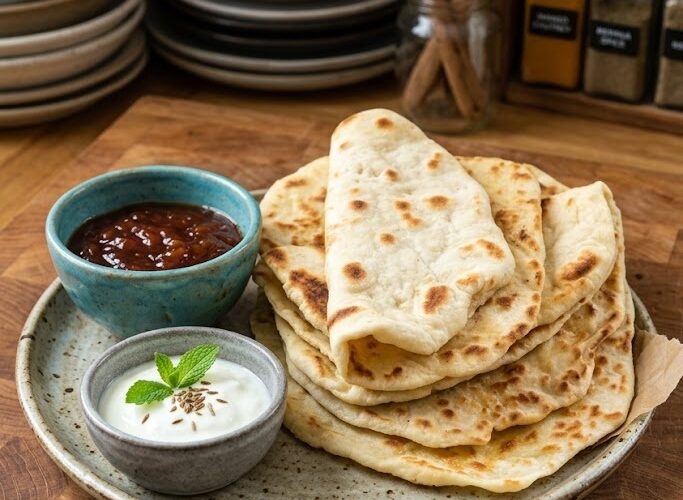
There are days when you want fresh bread on the table without waiting for yeast to rise, measuring a long list of ingredients, or spending much time in the kitchen.
This easy 2-ingredient bread is designed for exactly those moments. Made with self-rising flour and Greek yogurt, these homemade flatbreads come together quickly and cook in a skillet in just a few minutes. The result is soft, flexible, lightly chewy bread that works beautifully with dips, curries, grilled foods, wraps, and everyday meals.
Why This Easy Flatbread Recipe Works
The beauty of this easy flatbread recipe is its simplicity. You do not need yeast, a stand mixer, a complicated bread-making technique, or a long preparation time. Self-rising flour provides the flour and leavening components needed for the dough, while Greek yogurt adds moisture and helps create a tender, pliable texture.
Once the two main ingredients are combined, the dough can be divided, rolled, and cooked straight away. It is a practical homemade bread recipe for busy mornings, quick lunches, or last-minute dinners when you need something warm and satisfying.
Another reason this homemade flatbread is so useful is its versatility. The finished bread is soft enough to fold, sturdy enough to scoop up sauces, and mild enough to accompany almost any savory dish. Serve it with hummus, yogurt dips, roasted vegetables, soups, stews, grilled meats, or curries. It can also be used as a simple wrap for vegetables and other fillings. Because the recipe produces eight individual flatbreads, it is easy to cook a batch and have enough bread for the whole family.
The Simple Ingredients You Need
This recipe keeps the ingredient list exceptionally short. The main combination is self-rising flour and Greek yogurt, creating a dough that requires very little preparation. The self-rising flour helps the flatbread develop a soft and slightly airy texture as it cooks, while Greek yogurt gives the dough moisture and tenderness. You can use gluten-free self-rising flour when needed, making the recipe adaptable for different dietary preferences. Greek yogurt can also be non-fat, full-fat, reduced-fat, or vegan Greek yogurt, depending on what you have available.
Salt is optional, but it can add a little extra flavor to the finished flatbread. Since the bread itself has a mild taste, even a small amount of salt can make it more enjoyable when served alongside savory dishes. The important point is that the quantities remain straightforward, so there is no need for complicated measuring or special ingredients. This makes the recipe particularly convenient when you want homemade bread without planning a full baking project.
How to Make 2-Ingredient Bread
Start by placing the self-rising flour and Greek yogurt into a large mixing bowl. Mix the ingredients until they begin to come together into a rough dough. Using your hands is helpful at this stage because you can work the flour and yogurt together more evenly and identify any dry spots. Continue incorporating the mixture until it forms a cohesive ball. The dough should be soft enough to work with while still holding its shape.
Once the dough has formed, lightly flour a wooden board, countertop, or another suitable kitchen surface. Sprinkle a tablespoon or two of flour over the dough as well. Transfer the dough to the prepared surface and gently press it into a circular shape. Rather than trying to roll the entire dough ball at once, divide it into eight even portions. Equal portions help the flatbreads cook at a similar rate and give you a consistent size.
Take one portion of dough and place it on the lightly floured surface. Use a rolling pin to roll it into a circular flatbread. The dough should be rolled evenly so that it cooks consistently in the pan. Repeat this process with the remaining portions until you have eight uncooked flatbreads. Keep the surface lightly floured as necessary, but avoid using excessive flour because too much loose flour can burn in the pan during cooking.
Cooking the Flatbreads in a Pan
Once the flatbreads are rolled, heat a large non-stick pan over medium heat. There is no need to add oil according to the original method. Allow the pan to become properly hot before placing the first flatbread onto the cooking surface. Cook it for approximately two to three minutes, then turn it over and continue cooking for another two minutes. The exact cooking time can vary slightly depending on the thickness of the dough and the heat of the pan.
As the flatbread cooks, you should notice changes in its appearance and texture. The surface will begin to look cooked rather than doughy, and the bread may develop lightly browned areas from contact with the hot pan. Avoid using extremely high heat because the outside can brown too quickly while the center remains undercooked. Medium heat gives the dough enough time to cook through while developing a pleasant texture.
Continue cooking the remaining flatbreads one at a time. Depending on the size of your pan, you may be able to cook more than one simultaneously, but make sure they have enough room to cook evenly. Once each flatbread is finished, transfer it to a plate. Keeping the cooked breads together can help them retain some warmth and softness while the remaining pieces finish cooking.
What Makes Greek Yogurt Dough So Useful
Greek yogurt dough is particularly convenient for quick homemade breads because it creates a soft dough without requiring a lengthy fermentation period. Traditional yeast bread usually needs time for the yeast to activate and the dough to rise, but this flatbread takes a much more direct approach. The yogurt contributes moisture and tenderness, while the self-rising flour helps the dough develop its characteristic texture during cooking.
This type of dough is also approachable for beginners. There is no need to understand yeast activation, proofing temperatures, dough fermentation, or complicated shaping techniques. The process is essentially mix, divide, roll, and cook. That straightforward method makes this one of those recipes that can easily become part of a regular weekly meal routine. It is especially handy when you discover that you have run out of packaged bread and need a quick homemade alternative.
Ways to Serve Homemade Flatbread
These easy homemade flatbreads can be served in many different ways. For breakfast or brunch, they can accompany savory dishes and dips. At lunch, use them as a simple wrap or serve them alongside a bowl of soup. At dinner, they are excellent with curries, stews, grilled vegetables, roasted foods, and other saucy dishes. Their soft texture makes them particularly useful for scooping food, while their flexible shape allows them to be folded around fillings.
A warm flatbread can also make a simple meal feel more complete. Pair it with hummus and vegetables for a light meal, or serve it alongside a hearty curry where the bread can absorb flavorful sauces. Because the bread itself has a neutral flavor, it does not compete with strongly seasoned foods. This makes it a useful homemade staple rather than a recipe limited to one particular cuisine or meal.
Helpful Notes for Better Results
The consistency of the dough can depend slightly on the specific self-rising flour and Greek yogurt you use. If the dough feels a little sticky while you are working with it, lightly flour the surface and your hands. Try not to add large amounts of extra flour, since this can make the finished flatbread less tender. A light dusting is generally enough to make the dough easier to handle and roll.
Keeping the flatbreads reasonably even in thickness is also important. If some pieces are much thicker than others, they will require different cooking times. Rolling each portion into a similar circular shape helps every flatbread cook more consistently. You do not need perfectly shaped circles; homemade flatbread is meant to be simple and rustic. What matters most is achieving an even thickness so the center cooks properly.
The pan temperature is another important factor. Medium heat is a good starting point because it allows the flatbread to cook without scorching the surface. If the bread becomes very dark before the center is cooked, reduce the heat slightly. If it remains pale and takes much longer than expected to cook, the pan may need a little more heat. Since stovetops vary, use the visual appearance and texture of the bread as your guide.
Making the Recipe Fit Your Kitchen
One of the strongest features of this recipe is that it does not require specialized baking equipment. A mixing bowl, a lightly floured work surface, a rolling pin, and a large non-stick pan are enough. This makes the recipe accessible even if you do not have a conventional oven or a collection of bread-baking tools. The flatbreads are cooked directly on the stovetop, making them especially convenient for quick meals.
The Greek yogurt option is also flexible. The original recipe allows non-fat, full-fat, reduced-fat, or vegan Greek yogurt, so you can choose the variety that best fits your preferences or what is available in your refrigerator. Gluten-free self-rising flour can likewise be used when needed. These options make the basic recipe adaptable while preserving its simple preparation method.
Storing and Enjoying the Flatbread
For the best texture, these flatbreads are especially enjoyable when served warm. If you have leftovers, allow them to cool before storing them in an appropriate airtight container or food-storage bag. Keeping them protected from air helps prevent them from drying out. When you are ready to serve them again, gently warming them can help bring back some of their softness.
Because the recipe makes eight flatbreads, it is useful for meal planning as well. You can prepare the entire batch and use the breads throughout the day with different meals. Their compact size makes them convenient for individual servings, and the simple flavor means they can move easily from breakfast to lunch or dinner. Having homemade flatbread available can also reduce the need to rely on packaged bread for quick meals.
Why This Recipe Deserves a Place in Your Weekly Routine
A good everyday bread recipe should be simple enough to repeat without much thought, and this one fits that description. The short ingredient list, quick preparation, and stovetop cooking method remove many of the barriers associated with homemade bread. You can prepare the dough in minutes, roll it into portions, and cook each piece shortly afterward. There is no lengthy rising period, making it particularly useful when time is limited.
The finished bread is also practical rather than overly complicated. It can be used for dipping, scooping, wrapping, or serving alongside a main meal. That versatility means you do not need to plan a specific menu around it. Instead, you can make the flatbreads whenever you need an easy homemade bread option. With only a few basic steps and familiar ingredients, this recipe offers a reliable way to put warm flatbread on the table.
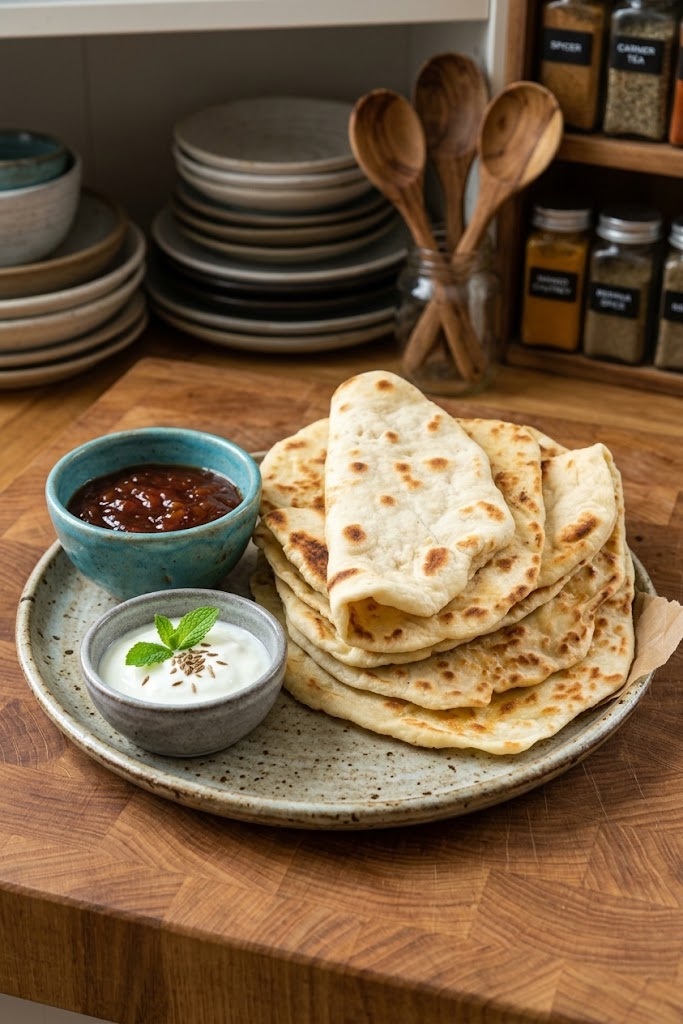
Keto 2 Ingredient Flat Bread
A quick and simple homemade flatbread made with self-rising flour and Greek yogurt. This no-yeast flatbread is soft, flexible, and ready in about 10 minutes, making it ideal for dipping, scooping, wrapping, or serving alongside your favorite meals.
8
servings5
minutes5
minutes113
kcal10
minutesIngredients
1 3/4 cups self-rising flour — use gluten-free, if needed
1 cup Greek yogurt — vegan Greek yogurt, non-fat, full-fat, or reduced-fat
1/2 teaspoon salt — optional
Directions
- Add the self-rising flour and Greek yogurt to a large mixing bowl. Mix thoroughly until the ingredients are combined and begin forming a dough.
- Use your hands to work the flour and yogurt together until a cohesive ball of dough forms.
- Lightly flour a wooden board, countertop, or other suitable kitchen surface. Sprinkle a tablespoon or two of flour over the dough.
- Transfer the dough onto the floured surface and gently press it into a circular shape.
- Divide the dough into 8 even portions.
- Lightly flour the surface again if needed. Take one portion of dough and use a rolling pin to roll it into a circular flatbread.
- Repeat the rolling process with the remaining seven portions until you have 8 uncooked flatbreads.
- Heat a large non-stick pan over medium heat.
- Once the pan is hot, place one flatbread onto the cooking surface. Cook for 2–3 minutes.
- Flip the flatbread and cook for another 2 minutes, or until cooked through.
- Transfer the cooked flatbread to a plate and repeat the process with the remaining dough portions.
- Serve the flatbreads warm with your favorite dips, curries, vegetables, soups, or other dishes.
Nutrition Facts
- Total number of serves: 1
- Calories: 113kcal
- Fat: 1g
- Carbohydrates: 19g
- Fiber: 1g
- Protein: 7g
