
A homemade glazed lemon loaf cake is a wonderful choice when you want something sweet, soft, and refreshing without spending hours in the kitchen. This easy lemon loaf recipe combines the richness of butter, the smooth texture of sour cream, and the fresh taste of lemons to create a delicious cake with a tender crumb. Every slice has a pleasant balance of sweetness and citrus flavor, making it perfect for breakfast, afternoon tea, brunch, or dessert.
What makes this lemon pound cake especially delicious is the combination of three layers of lemon flavor. Fresh lemon juice and finely grated lemon zest are mixed directly into the cake batter, a homemade lemon syrup is brushed over the warm loaf, and a thick lemon glaze is spread across the top after cooling. Each layer adds something different, resulting in a moist lemon loaf with a bright citrus aroma and a beautifully sweet finish.
This easy glazed lemon loaf cake is suitable for everyday baking as well as special occasions. You can prepare it for family gatherings, celebrations, weekend treats, or simply when you have fresh lemons available. Its attractive appearance and refreshing flavor also make it a lovely homemade gift. Even if you are relatively new to baking, the straightforward preparation makes this recipe manageable with basic kitchen equipment.
What Makes This Homemade Lemon Loaf So Delicious?
A Soft and Moist Cake Texture
The secret to a tender lemon loaf is using ingredients that provide both richness and moisture. Butter gives the cake its delicious flavor and soft structure, while sour cream helps create a delicate crumb that does not feel dry. Together, these ingredients produce a loaf that is rich without becoming excessively heavy.
The eggs also contribute to the cake’s structure and texture. When properly beaten with the butter and sugar, they help incorporate air into the mixture, supporting a lighter rise during baking. Room-temperature ingredients are particularly helpful because they combine more smoothly and create a consistent batter.
Fresh and Refreshing Lemon Flavor
Fresh lemons are the star ingredient in this recipe. Lemon juice adds a natural citrus taste, while lemon zest contributes aromatic oils that provide a stronger lemon fragrance. Using both ingredients gives the cake a more noticeable flavor than relying on lemon juice alone.
The lemon syrup adds another layer of citrus sweetness by soaking into the warm cake. Finally, the homemade lemon glaze creates a smooth, sweet topping that balances the slightly tangy flavor underneath. This combination makes the cake taste refreshing rather than simply sugary.
A Sweet Homemade Lemon Glaze
A good lemon glaze can transform an ordinary loaf cake into an attractive bakery-style dessert. This recipe uses icing sugar and lemon juice to create a thick topping that slowly settles over the surface. Once it begins to set, the glaze becomes firmer and develops a beautiful pale finish.
For the best consistency, add the lemon juice gradually. Too much liquid can make the glaze thin and transparent instead of thick and creamy. Allowing the glaze to rest before slicing also helps it hold its shape.
Essential Baking Tips for the Perfect Lemon Loaf
Measure the Flour Correctly
One of the most common reasons homemade loaf cakes become dense or dry is using too much flour. If possible, weigh the flour using a kitchen scale to get the recommended 240 grams. If you are measuring with cups, spoon the flour gently into the measuring cup and level the top with a straight edge.
Avoid dipping the measuring cup directly into the flour container because this can pack the flour tightly and result in using more than the recipe requires.
Use Room-Temperature Ingredients
Room-temperature eggs and sour cream are easier to incorporate into the batter than cold ingredients. They help create a smoother mixture and allow the butter to combine more evenly with the other components.
Taking these ingredients out of the refrigerator ahead of time can make a noticeable difference in the consistency of your batter.
Check the Baking Powder
Fresh baking powder is important for achieving a properly risen lemon loaf. Old or expired baking powder may lose its effectiveness, resulting in a flat or heavy cake.
If the baking powder looks lumpy, sift it together with the flour and salt before mixing it into the wet ingredients.
Avoid Overbaking
A lemon loaf can become dry if it remains in the oven for too long. Begin checking the cake toward the end of the recommended baking period. Insert a toothpick into the center rather than near the edges, as the outside may finish baking earlier.
An oven thermometer can also help identify temperature differences if your oven tends to bake faster or slower than expected.
Apply the Syrup Gradually
Do not pour all the lemon syrup onto the cake at once. Brushing it on in smaller amounts allows the liquid to absorb more evenly. The holes should reach approximately three-quarters into the loaf rather than going completely through the bottom.
This technique gives the cake a moist interior while preserving its overall structure.
How to Make a Thick Lemon Glaze
A thick lemon glaze requires only two ingredients: icing sugar and lemon juice. The important part is controlling the amount of liquid. Begin with the recommended amount and mix until the icing sugar absorbs the juice and develops a smooth consistency.
If the glaze looks too thick initially, continue stirring before deciding to add more lemon juice. Adding too much liquid can make it runny and reduce its white appearance. A properly prepared glaze should be thick enough to spread slowly across the cake.
For an extra-thick topping, allow the first layer to firm up completely before applying another layer. This creates a more noticeable sweet coating and gives the loaf an attractive finish.
Delicious Ways to Serve Lemon Loaf Cake
This homemade lemon loaf tastes wonderful at room temperature because the butter and sour cream help maintain its soft texture. Serve generous slices with tea, coffee, or your favorite hot drink for a simple afternoon treat.
For a more special dessert, add a spoonful of whipped cream or serve each slice with vanilla ice cream. Fresh berries also make a delicious pairing because their natural sweetness complements the bright lemon flavor.
If you are preparing the cake for brunch or a family gathering, arrange the slices on a serving plate and add a few fresh berries alongside them. A small drizzle of honey can provide additional sweetness for anyone who prefers a sweeter dessert.
For neat slices, use a serrated knife and wipe the blade between cuts. Slightly thicker slices are easier to handle because the syrup-soaked loaf can be delicate.
How to Store Homemade Lemon Loaf
Room-Temperature Storage
Once the cake has cooled completely and the glaze has started to set, place it in an airtight container. You can also wrap it tightly in plastic wrap to help prevent moisture loss.
The lemon loaf can be stored at room temperature for approximately three to four days. Keep it away from direct sunlight and sources of heat to maintain its texture and freshness.
Refrigerating Lemon Loaf
If you want to keep the cake for longer, refrigerate it in an airtight container for up to one week. Refrigeration can make butter-based cakes feel firmer, so allow individual slices to return to room temperature before serving.
You can also warm a slice briefly in the microwave for approximately 10–15 seconds if you prefer a softer texture.
Freezing Lemon Pound Cake
This lemon loaf is suitable for freezing, making it convenient to prepare ahead of time. Allow the cake to cool completely, preferably before adding the glaze. Wrap the unglazed loaf tightly in plastic wrap and place it inside a freezer-safe bag.
It can be frozen for up to three months. When you are ready to serve it, thaw the cake at room temperature and prepare the lemon glaze before serving. This helps maintain a fresh appearance and prevents the topping from becoming damaged during freezing.
Frequently Asked Questions About Lemon Loaf Cake
Why Did My Lemon Loaf Turn Out Dry?
A dry lemon loaf is commonly caused by too much flour or excessive baking time. Always measure flour carefully using a kitchen scale or the spoon-and-level method. Check your oven temperature and test the center of the cake before removing it.
Why Didn’t My Lemon Loaf Rise Properly?
Old baking powder may prevent the loaf from rising as expected. Make sure your baking powder is fresh and evenly distributed throughout the flour. Properly creaming the butter and beating the eggs with sugar also helps create a lighter cake.
Can I Use Bottled Lemon Juice Instead of Fresh Lemons?
Yes, bottled lemon juice can be used if fresh lemons are unavailable. However, fresh lemons provide a more aromatic flavor because their zest contains natural citrus oils. Adding one to two teaspoons of lemon extract to the batter can help strengthen the lemon taste when using bottled juice and store-bought zest.
Can I Prepare Lemon Loaf Cake in Advance?
Yes. You can bake the loaf a day before serving and keep it in an airtight container. For the best presentation, prepare and add the glaze when the cake is completely cool. This makes the recipe convenient for celebrations, brunches, and family gatherings.
How Can I Make My Lemon Glaze Thicker?
Use icing sugar and add lemon juice gradually. If the glaze becomes too thin, incorporate additional icing sugar until it reaches the desired consistency. Let the first layer firm up before adding a second layer if you want a thicker topping.
Can I Replace Sour Cream with Greek Yogurt?
Yes. Thick, natural, unsweetened Greek yogurt is a suitable replacement for sour cream. It provides a similar creamy consistency and helps maintain moisture in the finished cake.
How Long Should Lemon Loaf Cool Before Glazing?
Allow the cake to cool completely on a wire rack before adding the glaze. Applying icing while the cake is still warm can cause it to melt, become transparent, and run off the sides.
Why This Lemon Loaf Belongs in Your Baking Collection
A homemade glazed lemon loaf is a dependable dessert that combines simple ingredients with a delicious result. Its buttery crumb, refreshing citrus flavor, lemon syrup, and sweet glaze make it suitable for almost any occasion. The preparation does not require complicated decorating techniques or specialist baking equipment, so it is an excellent recipe for beginners and experienced home bakers alike.
Whether you enjoy it with morning coffee, serve it as an afternoon snack, or prepare it for guests, this moist lemon loaf cake offers a lovely balance of sweetness and tanginess. Keep the baking tips and storage instructions in mind, and you can enjoy fresh-tasting slices over several days or freeze a loaf for another occasion.
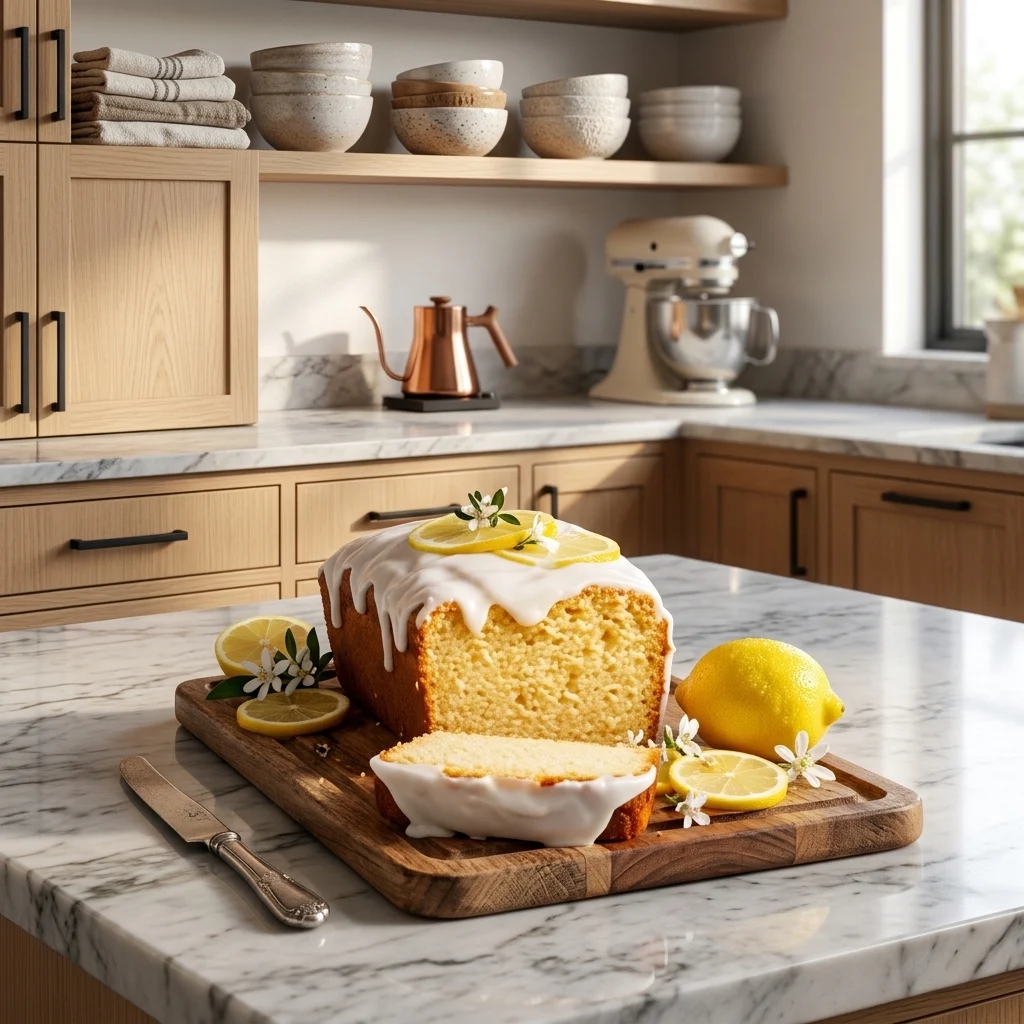
Glazed Lemon Loaf Cake Dessert
This homemade glazed lemon loaf cake features a soft, buttery crumb made with sour cream, fresh lemon juice, and lemon zest. A sweet lemon syrup keeps the cake moist, while a thick homemade lemon glaze adds a refreshing citrus finish.
8
servings20
minutes1
hour301
kcal120
minutes3
hours20
minutesIngredients
- For the Cake:
1 cup butter, softened
3 large eggs, preferably at room temperature
1 ½ cups granulated sugar
½ cup sour cream, preferably at room temperature, or Greek yogurt
3 tablespoons fresh lemon juice (1–2 lemons)
1 teaspoon finely grated lemon zest (about 1 lemon)
2 cups flour, spooned and leveled (240g or 8.5 ounces)
2 teaspoons baking powder
¼ teaspoon salt
- For the Lemon Syrup:
½ cup lemon juice (about 3 lemons; measure before adding icing sugar)
1 cup icing sugar, sifted if clumpy
- For the Lemon Glaze:
1 cup icing sugar, sifted if clumpy
1–2 tablespoons lemon juice (about ½ lemon)
Directions
- Preheat the oven to 350°F. Line a 9×5-inch or 8×4-inch loaf pan with baking parchment.
- Beat the softened butter in a large mixing bowl until smooth and creamy using a hand mixer or stand mixer.
- Add the eggs and granulated sugar. Beat until the mixture becomes light in color and fluffy.
- Mix in the sour cream, fresh lemon juice, and finely grated lemon zest until combined.
- Add the flour, baking powder, and salt. Mix on low speed until the batter becomes smooth. Avoid excessive mixing.
- Transfer the batter into the prepared loaf pan and smooth the surface. Bake for 50–60 minutes or until a toothpick inserted into the center comes out clean.
- Allow the cake to cool in the pan for five minutes. Combine the lemon juice and icing sugar to make the syrup.
- Use a skewer to poke holes approximately three-quarters of the way into the cake. Brush the lemon syrup over the surface gradually, allowing it to soak in between applications.
- Leave the cake in the pan for another ten minutes, then carefully transfer it to a cooling rack. Allow it to cool completely.
- Mix the icing sugar and lemon juice until smooth and thick.
- Spread the glaze over the completely cooled cake. Allow it to set for at least ten minutes before slicing.
Notes
- Use fresh lemons for the strongest natural citrus flavor.
- Measure flour carefully to prevent a dense or dry cake.
- Ensure eggs and sour cream are at room temperature.
- Use fresh baking powder for a good rise.
- Do not poke syrup holes all the way through the cake.
- Brush syrup gradually to help it absorb evenly.
- Always cool the loaf completely before glazing.
- Store in an airtight container at room temperature for 3–4 days.
- Refrigerate for up to one week.
- Freeze the unglazed loaf for up to three months.
Nutrition Facts
- Total number of serves: 8
- Calories: 301kcal
- Fat: 11g
- Carbohydrates: 46g
- Sugar: 26g
- Protein: 4g
