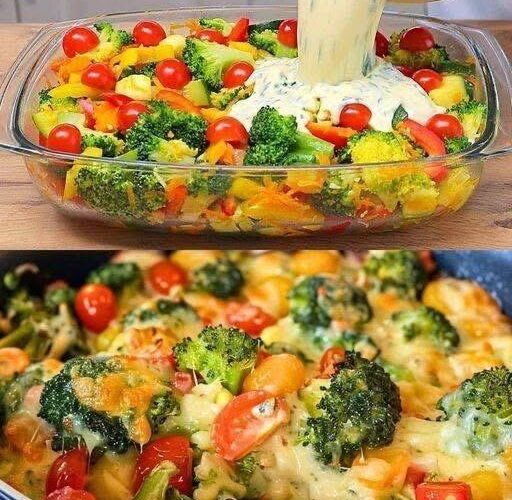
Ultimate Low Calorie Vegetable Bake – Recipe
Introduction
Ultimate Low Calorie Vegetable Bake is one of the most wholesome, nutrient-dense, comforting, and satisfying oven meals you can prepare when you want something warm, filling, and flavorful without loading up on calories. It brings together a wide variety of fresh vegetables, light seasoning, minimal oil, and gentle oven roasting to create a dish that feels hearty and comforting while still staying clean, light, and healthy.
This type of vegetable bake is especially popular in countries like United Kingdom, United States, Australia, and across wellness-focused diets in Europe because it fits into:
- Weight loss meal plans
- Clean eating lifestyles
- Vegetarian and flexitarian diets
- Meal prep routines
- Healthy family dinners
What makes this dish so powerful is not just the low calorie count, but the way it transforms simple vegetables into something deeply satisfying through roasting, seasoning, and layering.
A perfectly made Ultimate Low Calorie Vegetable Bake should deliver:
soft roasted vegetables → light golden edges → natural vegetable sweetness → gentle herb seasoning → warm comforting texture → clean low-calorie finish
The Philosophy Behind Low Calorie Cooking
Low calorie cooking is not about removing flavor—it is about:
- Enhancing natural taste
- Using smart cooking methods
- Reducing unnecessary fats
- Increasing volume with vegetables
Vegetables are ideal because they provide:
- High fiber
- High water content
- Essential vitamins and minerals
- Natural fullness with low calories
Why Vegetable Bakes Work So Well for Healthy Eating
Vegetable bakes are effective because they:
- Use oven heat instead of frying
- Require minimal oil
- Allow flavors to develop slowly
- Keep nutrients mostly intact
- Create satisfying warm meals
Unlike boiled vegetables, baking improves:
- Texture
- Aroma
- Natural sweetness
- Flavor depth
Understanding How Roasting Changes Vegetables
When vegetables are baked:
- Water slowly evaporates
- Natural sugars concentrate
- Edges begin to caramelize
- Flavors become deeper
This is why roasted vegetables taste richer than raw or steamed ones.
The Importance of Texture Balance
A great vegetable bake must avoid extremes:
- Not too soft → avoids mushiness
- Not too dry → avoids blandness
- Not too oily → stays low calorie
The ideal texture combination is:
- Tender inside
- Lightly roasted outside
- Slight caramelized edges
Why Low Calorie Does NOT Mean Low Flavor
Flavor can be built using:
- Herbs
- Spices
- Garlic
- Lemon juice
- Natural vegetable sweetness
These ingredients create depth without adding calories.
Ingredients
Core Vegetables
- Zucchini
- Carrots
- Broccoli
- Cauliflower
- Bell peppers
- Mushrooms
- Onion
- Tomatoes
Light Binding Base
- Greek yogurt (low fat)
- Egg whites (optional)
- Light milk or plant milk
- Lemon juice
Seasonings
- Salt
- Black pepper
- Garlic powder
- Paprika
- Oregano
- Thyme
- Basil
Optional Add-Ins
- Spinach
- Chickpeas
- Corn
- Chili flakes
- Light cheese sprinkle
Understanding Ingredient Roles
Zucchini
- Adds moisture
- Soft texture
- Mild flavor base
Carrots
- Natural sweetness
- Slight crunch
- Color balance
Broccoli & Cauliflower
- Fiber-rich structure
- Roasting depth
- Slight nutty flavor
Bell Peppers
- Fresh sweetness
- Bright aroma
- Visual appeal
Mushrooms
- Umami depth
- Meaty texture feel
- Rich roasted flavor
Greek Yogurt
- Creamy texture
- Protein boost
- Light tanginess
Garlic & Onion
- Aromatic base
- Flavor intensity
- Savory depth
Step-by-Step Preparation
Step 1: Wash and Prep All Vegetables
Clean thoroughly under running water.
Why This Step Matters
Proper washing ensures:
- Clean flavor
- No bitterness from residue
- Better roasting quality
Step 2: Cut Evenly
Slice vegetables into similar-sized pieces.
Why Uniform Cutting Is Important
Even pieces ensure:
- Equal cooking time
- Balanced texture
- No undercooked or burnt sections
Step 3: Remove Excess Moisture
Pat vegetables dry before baking.
Why Dry Vegetables Roast Better
Excess moisture causes:
- Steaming instead of roasting
- Soft mushy texture
Dry vegetables allow:
- Crisp edges
- Better caramelization
Preparing the Low-Calorie Cream Base
Step 4: Mix Yogurt Sauce
Combine:
- Greek yogurt
- Garlic
- Herbs
- Lemon juice
- Seasoning
Why This Sauce Works
It provides:
- Creaminess without heavy calories
- Flavor coating
- Light tang that enhances vegetables
Assembling the Bake
Step 5: Combine Everything in a Baking Dish
Mix vegetables with sauce evenly.
Why Even Mixing Matters
It ensures:
- Every bite is flavorful
- No dry vegetables
- Balanced moisture distribution
Baking Process
Step 6: Bake at Moderate Temperature
Cook until vegetables soften and edges slightly brown.
What Happens During Baking
Inside the oven:
- Vegetables release steam
- Natural sugars caramelize
- Flavors intensify
- Texture becomes tender
Step 7: Optional Light Broiling
Finish with broil for a golden top layer.
Why Broiling Helps
It adds:
- Slight crisp edges
- Golden color
- Flavor intensity
without adding calories.
Texture Goals
A perfect bake should feel:
Vegetables
Soft but not mushy
Edges
Lightly roasted and golden
Sauce
Creamy but light
Overall Feel
Warm, filling, healthy comfort
Flavor Profile
Vegetable Flavor
Naturally sweet and earthy
Herb Flavor
Fresh and aromatic
Garlic Flavor
Savory and warm
Finish
Clean, light, satisfying
Common Mistakes
Watery Dish
Cause
Vegetables not dried properly
Fix
Always pat dry before baking.
Mushy Texture
Cause
Overbaking or too small cuts
Fix
Use medium-sized pieces and monitor cooking time.
Bland Taste
Cause
Not enough seasoning
Fix
Increase herbs and spices.
Dry Bake
Cause
Too little sauce
Fix
Add slightly more yogurt mixture.
Uneven Cooking
Cause
Irregular cutting
Fix
Cut vegetables evenly.
Variations
Protein Vegetable Bake
Add chicken breast or chickpeas.
Spicy Version
Add chili flakes or cayenne pepper.
Cheesy Light Version
Sprinkle small amount of low-fat cheese.
Mediterranean Version
Add olives, oregano, and tomatoes.
Vegan Version
Use plant-based yogurt or coconut yogurt.
Storage
- Refrigerate in airtight container
- Consume within 2–3 days
- Reheat in oven for best texture
Serving Suggestions
Serve as:
- Light dinner
- Meal prep lunch
- Side dish with protein
- Healthy bowl meal
Pairs well with:
- Grilled chicken
- Brown rice
- Quinoa
- Fresh salads
Expert Tips
- Always dry vegetables well
- Do not overload baking dish
- Use fresh herbs for better flavor
- Balance yogurt carefully
- Roast at moderate heat for best caramelization
- Add lemon for brightness
Why People Love This Dish
People love Ultimate Low Calorie Vegetable Bake because it combines:
- Warm comfort food feeling
- Light healthy nutrition
- Soft roasted vegetables
- Creamy low-fat texture
- Natural vegetable sweetness
while still feeling:
- Filling
- Cozy
- Wholesome
- Satisfying
all at the same time.
Final Thoughts
Ultimate Low Calorie Vegetable Bake proves that healthy food can still feel comforting, flavorful, and satisfying when roasting technique, seasoning balance, moisture control, and ingredient layering are handled properly. Through soft roasted vegetables, light creamy sauce, aromatic herbs, and gentle oven baking, this dish creates a nourishing experience that feels warm, light, filling, and deeply delicious without unnecessary calories.
This dish delivers:
- Low-calorie nutrition
- Soft roasted vegetables
- Light creamy texture
- Herb-rich flavor
- Healthy comfort satisfaction
And most importantly:
Every bite combines tender roasted vegetables, light creamy seasoning, natural sweetness, and warm oven-baked comfort into a dish that feels healthy, satisfying, cozy, and deeply delicious.
