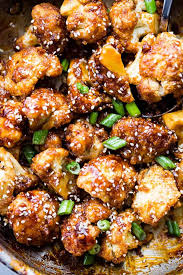
Sticky Roasted Cauliflower Bites – Recipe
Introduction & Background
Sticky Roasted Cauliflower Bites are a powerful example of how modern cooking techniques can elevate a simple vegetable into a bold, crave-worthy dish that rivals traditional fried or meat-based snacks. Cauliflower, once seen as bland and secondary, has undergone a culinary transformation in recent years—especially in places like the United States—where it is now used to create everything from wings to steaks to bite-sized appetizers.
What makes cauliflower so special is its porous cellular structure, which allows it to absorb flavors deeply while also responding extremely well to high-heat cooking methods like roasting. When properly prepared, it can achieve:
- Crisp, caramelized edges
- Soft, tender interior
- Strong flavor absorption
- Meat-like bite satisfaction
This recipe takes cauliflower one step further by combining:
- High-temperature roasting
- Controlled moisture evaporation
- Sauce reduction and glazing
- Final caramelization
The result is a dish that delivers:
- Crispy outer edges
- Sticky, glossy coating
- Sweet, savory, and spicy flavor balance
- Restaurant-quality texture and appearance
This is not just a vegetable recipe—it is a multi-stage texture engineering process.
What This Dish Really Is (Structural Identity)
Sticky roasted cauliflower bites are best described as a dual-phase cooked vegetable system with a sugar-reduction glaze layer.
They involve three core transformations:
- Moisture Removal (Roasting Phase)
- Surface Browning (Flavor Development Phase)
- Glaze Adhesion & Caramelization (Finishing Phase)
Unlike frying:
- Crispiness is achieved through dry heat + dehydration
- Stickiness comes from reduced sugars forming a coating
This makes the dish:
crispy on the outside + tender inside + coated in a thick, sticky glaze
Core Texture Goals (Professional Benchmark)
A perfectly executed batch of sticky cauliflower bites should achieve:
- Golden to deep-brown caramelized edges
- Slight crispness on the outer surface
- Tender, moist interior
- Thick glaze that clings—not drips
- No sogginess or steaming effect
The ideal bite should feel like:
crispy roasted vegetable + sticky glazed coating + juicy interior contrast
Ingredient System (Ultra Detailed Functional Breakdown)
1. Cauliflower (Primary Structural Base)
- 1 large head cauliflower (cut into 4–5 cm florets)
Function:
- Provides structural framework
- Absorbs flavor
- Develops texture when roasted
Advanced Insight:
Cauliflower’s structure is made up of tightly packed florets with micro air pockets, allowing it to absorb sauce while maintaining shape.
2. Oil (Thermal Transfer & Browning Agent)
- 2–4 tbsp oil
Function:
- Promotes even heat distribution
- Enhances browning
- Prevents dryness
Oil also helps initiate surface crisping.
3. Seasoning Base (Flavor Foundation)
- Salt
- Black pepper
- Garlic powder
- Paprika
Function:
- Builds initial flavor layer
- Enhances roasted profile
4. Coating System (Optional but Highly Recommended)
- 3 tbsp cornstarch or flour
- ¼–⅓ cup water or milk
Function:
- Creates a thin batter
- Increases surface roughness
- Improves crisping and sauce adhesion
5. Sticky Sauce System (Core Flavor Engine)
- 3 tbsp soy sauce
- 2–3 tbsp honey or alternative sweetener
- 1–2 tbsp ketchup
- 1 tbsp chili sauce or sriracha
- 1 tsp vinegar
- 2 cloves garlic (minced)
Function:
- Creates sweet-savory balance
- Thickens into sticky glaze
- Enhances umami
6. Thickening Agent (Optional for Extra Stickiness)
- 1 tsp cornstarch slurry
Function:
- Increases sauce viscosity
- Improves coating thickness
Deep Food Science Breakdown (Advanced Level)
1. Moisture Evaporation System (Critical Step)
Cauliflower contains high water content.
During roasting:
- Water evaporates from surface
- Surface dries
- Browning becomes possible
If moisture remains:
- Cauliflower steams instead of roasts
- Texture becomes soft and soggy
2. Surface Browning & Maillard Reaction
At high heat:
- Natural sugars react with amino acids
- Browning occurs
- Flavor intensifies
This creates the roasted, nutty taste.
3. Oil-Assisted Crisping Mechanism
Oil helps:
- Conduct heat efficiently
- Promote even browning
- Create slight crispness
4. Coating Layer Physics
If using batter:
- Forms micro-crust
- Increases surface area
- Enhances crunch
5. Sauce Reduction & Caramelization
When heated:
- Water evaporates from sauce
- Sugars concentrate
- Sauce thickens
Eventually:
- It becomes sticky and glossy
- It adheres to cauliflower
6. Adhesion Mechanics
Sauce sticks best when:
- Cauliflower surface is rough and hot
- Sauce is thick (not watery)
- Coating layer is present
7. Final Caramelization Phase
Returning coated cauliflower to heat:
- Sets glaze
- Slightly caramelizes sugars
- Enhances stickiness
Step-by-Step Method (Ultra Detailed Execution)
Step 1: Cutting & Preparation
Cut cauliflower into evenly sized florets.
Uniform size ensures even cooking.
Step 2: Washing & Drying
Wash thoroughly.
Dry completely using towel.
Drying is critical for crisping.
Step 3: Optional Batter Coating
Mix:
- Cornstarch/flour
- Water
Coat cauliflower lightly.
Step 4: Seasoning
Add:
- Oil
- Salt
- Pepper
- Garlic powder
- Paprika
Mix until evenly coated.
Step 5: Preheat Oven
Preheat to 200–220°C (392–428°F).
Higher heat = better crisp.
Step 6: Roasting Phase (Primary Cooking)
Spread cauliflower evenly.
Roast for 30–40 minutes.
Flip halfway.
Goal:
- Golden edges
- Slight crispness
- Reduced moisture
Step 7: Sauce Preparation
In pan, combine:
- Soy sauce
- Honey
- Ketchup
- Chili sauce
- Vinegar
- Garlic
Cook on medium heat.
Step 8: Sauce Reduction
Simmer until:
- Thick
- Glossy
- Sticky consistency
Add cornstarch slurry if needed.
Step 9: Coating Phase
Add roasted cauliflower into sauce.
Toss thoroughly.
Ensure full coating.
Step 10: Final Baking Phase
Return to oven for 5–10 minutes.
This step:
- Sets glaze
- Adds caramelization
Step 11: Resting Phase
Let rest for 3–5 minutes.
Allows glaze to firm up.
Texture & Flavor Profile
Perfect sticky cauliflower bites deliver:
- Crispy, caramelized edges
- Tender interior
- Thick, sticky glaze
- Sweet, savory, spicy balance
- Slight chew with crunch
Common Mistakes & Fixes
Soggy Cauliflower
Cause: Excess moisture
Fix: Dry thoroughly
Weak Flavor
Cause: Under-seasoning
Fix: Increase spices
Thin Sauce
Cause: Not reduced enough
Fix: Simmer longer
Burnt Coating
Cause: Too high heat
Fix: Lower temperature
Advanced Variations
Korean Gochujang Style
Use gochujang-based sauce.
Buffalo Cauliflower
Use buffalo sauce instead of sticky glaze.
Teriyaki Version
Use teriyaki sauce.
Garlic Honey Version
Increase garlic and honey.
Keto Version
Use sugar-free sweeteners.
Storage & Reheating
- Fridge: 2–3 days
- Reheat in oven or air fryer
Avoid microwave for crisp texture.
Serving Ideas
- As appetizer
- With rice or noodles
- In wraps or tacos
- As party snack
- With dipping sauces
Final Thoughts
Sticky Roasted Cauliflower Bites are a perfect demonstration of how cooking techniques—not just ingredients—determine the success of a dish. By mastering moisture control, roasting, and sauce reduction, you can transform a simple vegetable into a crispy, sticky, and flavor-packed experience.
They deliver:
- Crisp texture
- Sticky glaze
- Bold flavor
- Plant-based satisfaction
At their core, they prove:
When moisture is removed, heat is applied correctly, and sauce is reduced to the right consistency, even a simple vegetable like cauliflower can become a deeply satisfying, crispy, and sticky dish that competes with any fried or meat-based alternative.
