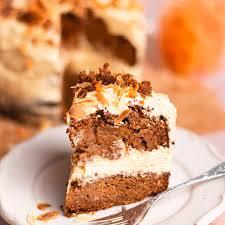
Sugar Less Carrot Cake – Recipe
Introduction & Background
Carrot cake, in its traditional form, is a rich, spiced dessert built on flour, sugar, and fat. However, long before refined sugar became widely accessible, carrots were used as a natural sweetener in baking due to their inherent sugar content. This historical foundation makes carrot cake one of the few desserts that can be naturally adapted into a no sugar, no flour system without losing its identity.
This version is not just a “healthy alternative”—it is a complete structural redesign of cake baking. Instead of relying on refined flour and sugar, the recipe uses:
- Natural fiber and moisture from carrots
- Protein structure from eggs
- Alternative binding from oat or nut-based flours
- Natural sweetness from fruits or sugar-free options
The result is a cake that is:
- Moist and soft
- Naturally sweet
- Nutrient-dense
- Structurally stable without traditional ingredients
This cake represents a shift from indulgence-only desserts to functional desserts, where taste and nutrition work together instead of competing.
Chef’s Philosophy
This cake is built on a deeper principle:
Structure, sweetness, and texture can all be achieved through whole ingredients when properly balanced.
Traditional baking relies on:
- Sugar for sweetness and moisture
- Flour for structure
- Butter for richness
In this version, those roles are redistributed:
- Carrots + fruit → sweetness + moisture
- Eggs → structure + stability
- Oat/almond flour → absorption + binding
- Oil → softness and richness
The goal is not to imitate traditional cake exactly, but to create a version that feels just as satisfying while being built differently at a molecular level.
Core Structural Systems (Deep Understanding Section)
1. Moisture System (Primary Driver of Texture)
Carrots are composed of a high percentage of water. During baking:
- Moisture is released gradually
- It hydrates surrounding ingredients
- It prevents dryness
However, too much moisture can cause:
- Soggy texture
- Underbaked center
Balance is essential.
2. Binding & Protein Structure System
Eggs are the backbone of this cake.
During baking:
- Egg proteins coagulate
- Structure forms
- Ingredients are held together
Without flour, eggs become even more critical.
3. Absorption System (Flour Replacement Logic)
Oat flour or almond flour replaces traditional flour.
Their roles:
- Absorb excess moisture
- Provide body to the cake
- Prevent collapse
Oat flour gives softness, while almond flour adds richness.
4. Natural Sweetness System
Instead of refined sugar, sweetness comes from:
- Bananas
- Dates
- Carrots themselves
These also contribute:
- Moisture
- Fiber
- Flavor complexity
5. Fat Distribution System
Oil or butter ensures:
- Soft crumb texture
- Moist mouthfeel
- Prevention of dryness
Fat also carries flavor across the cake.
Difficulty, Timing & Yield
Difficulty Level: Medium
Preparation Time: 25–30 minutes
Baking Time: 40–50 minutes
Cooling Time: 20–30 minutes
Total Time: ~1.5 hours
Servings: 8–10 slices
Ingredients (Ultra Detailed Breakdown)
Primary Moisture Base
- 2 to 2.5 cups finely grated carrots
Finely grated carrots ensure:
- Even moisture distribution
- Smooth texture
- No large chunks
Binding System
- 3 large eggs
Eggs provide:
- Structural integrity
- Stability
- Slight richness
Flour Replacement System
Choose one:
- 1 cup oat flour (soft texture)
- 1 cup almond flour (rich texture)
- Or a mix of both for balance
Natural Sweetener System
Choose one or combine:
- 2 ripe bananas (mashed)
- 1/2 cup dates paste
- Sugar-free sweetener (to taste)
Bananas add softness, while dates add depth.
Fat System
- 1/4 to 1/3 cup oil or melted butter
Ensures:
- Moist crumb
- Rich flavor
- Smooth texture
Flavor System
- 1 teaspoon cinnamon
- 1/2 teaspoon nutmeg
- 1 teaspoon vanilla extract
- Pinch of salt
These create the signature warm carrot cake flavor.
Leavening System
- 1 teaspoon baking powder
Provides:
- Lightness
- Slight rise
- Prevents dense texture
Optional Enhancements
- Chopped walnuts or almonds
- Raisins
- Coconut flakes
- Chia seeds or flax seeds
Step-by-Step Method (Ultra Detailed Execution)
Step 1: Oven Preparation
Preheat oven to:
180°C
Prepare baking pan by greasing or lining.
A properly prepared pan ensures:
- Even baking
- Easy removal
Step 2: Wet Base Creation
In a large bowl, combine:
- Eggs
- Mashed bananas or dates paste
- Oil or butter
- Vanilla extract
Whisk thoroughly until smooth.
This mixture forms the core moisture system.
Step 3: Dry Ingredient Integration
In another bowl, mix:
- Oat or almond flour
- Baking powder
- Cinnamon
- Nutmeg
- Salt
Mix evenly to ensure uniform flavor.
Step 4: Batter Formation
Combine wet and dry mixtures.
Add grated carrots.
Mix gently until combined.
The batter should be:
- Thick
- Moist
- Slightly textured
Avoid overmixing.
Step 5: Pan Filling
Pour batter into prepared pan.
Spread evenly.
Tap lightly to remove air pockets.
Step 6: Baking Phase
Bake for:
40–50 minutes
During baking:
- Eggs set structure
- Moisture redistributes
- Cake firms up
Check doneness with toothpick.
Step 7: Cooling & Stabilization
Let cake cool for at least 20–30 minutes.
This step allows:
- Internal structure to stabilize
- Moisture to settle
- Cleaner slicing
Texture & Flavor Profile
A well-made cake will have:
- Soft, moist crumb
- Slight density (due to no flour)
- Natural sweetness
- Warm spice aroma
It should feel rich but not heavy.
Advanced Techniques
- Squeeze excess water from carrots if too wet
- Combine oat and almond flour for best balance
- Add a small amount of yogurt for extra softness
- Use ripe bananas for stronger sweetness
- Let batter rest 5–10 minutes before baking
Common Mistakes & Solutions
Too Wet or Soggy
Cause:
Excess moisture from carrots or fruit
Solution:
Reduce wet ingredients or increase flour substitute
Too Dense
Cause:
Too much flour alternative
Solution:
Balance wet and dry components
Not Sweet Enough
Cause:
Low natural sugar
Solution:
Increase banana or dates
Crumbly Texture
Cause:
Insufficient eggs
Solution:
Ensure proper binding ratio
Storage & Shelf Life
- Refrigerate up to 4–5 days
- Freeze up to 1 month
- Store in airtight container
Flavor improves after a day as moisture redistributes.
Serving Ideas
Serve with:
- Greek yogurt topping
- Sugar-free cream cheese frosting
- Nut butter drizzle
- Fresh fruits
Final Thoughts
This No Sugar No Flour Carrot Cake is more than a healthy dessert—it is a demonstration of how baking can be restructured using natural ingredients while maintaining satisfaction and flavor.
It delivers:
- Moist, soft texture
- Naturally balanced sweetness
- Nutritional benefits
- Clean ingredient profile
It proves that desserts can be both enjoyable and functional when built with understanding, precision, and thoughtful ingredient selection.
